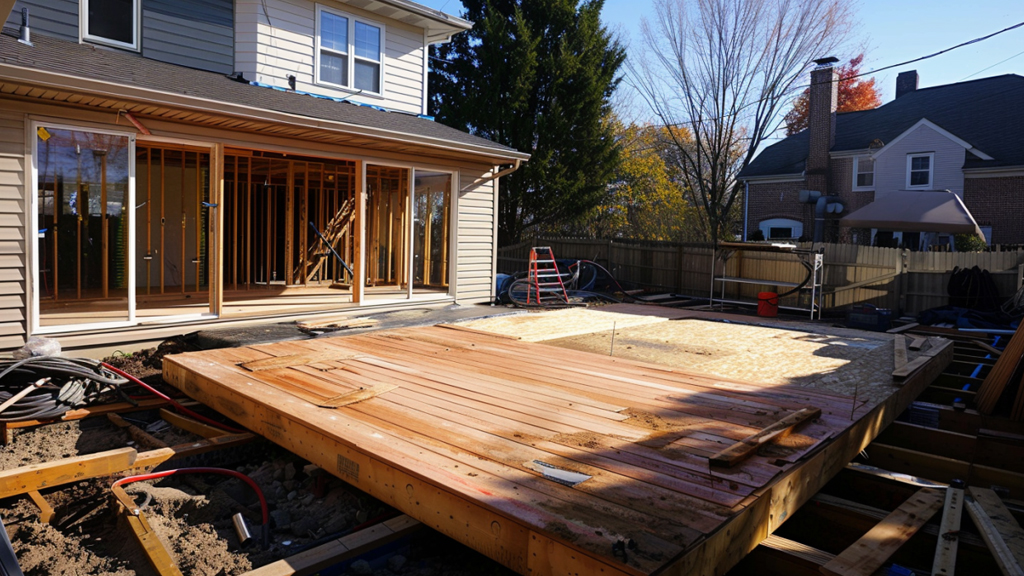
Building a deck in Illinois is like adding a whole new room to your house, except this one comes with fresh air and no ceiling to worry about hitting your head on. As someone who’s built countless decks across the Prairie State, I can tell you that Illinois presents some unique challenges and opportunities that you won’t find anywhere else.
The key to a successful deck project here isn’t just about slapping some boards together and calling it good. You’re dealing with a climate that can go from blazing hot summers to bone-chilling winters, plus building codes that are stricter than a school principal. But don’t worry, I’ll walk you through everything you need to know to build a deck that’ll last longer than your mortgage.
Understanding Illinois Building Codes and Permits
Let me start with something that catches a lot of folks off guard: every deck in Illinois requires a building permit, period. I don’t care if you’re building a tiny 8×8 platform or a massive multi-level entertainment complex, the state wants to see those plans first.
Illinois deck permit requirements vary by municipality, so homeowners should confirm local rules with the building department before construction begins. This guide covers common submittal items, including scaled construction plans, a site survey, structural specifications, and electrical plans when lighting or outlets are included. Local guidance from
Cook County and Schaumburg shows why local verification matters.
Key Code Requirements You Need to Know
Here’s what the state demands for deck construction:
That 42-inch footing depth isn’t a suggestion, it’s gospel in Illinois. Our freeze-thaw cycles are brutal, and I’ve seen what happens when someone tries to cut corners with shallow footings. Come spring, you’ll have a deck that looks like it’s doing the wave.
The Permit Process
Getting your permit approved requires some paperwork, but it’s not as painful as a root canal. You’ll need:
- Detailed construction plans showing dimensions and structural details
- Site survey indicating setbacks from property lines
- Structural specifications including beam sizes and joist spacing
- Electrical plans if you’re adding lighting or outlets
Pro tip: Most building departments prefer plans drawn to scale. Your sketch on a napkin might be artistic, but it won’t get you very far with the permit office.
Illinois deck permit inspections are scheduled by the local jurisdiction and commonly follow the construction sequence from footings to framing and final approval. Homeowners should ask the local building department when inspections must be requested so work is not covered before it can be reviewed.
- Schedule the required footing inspection before proceeding with concealed work.
- Request framing inspection when the structural components are ready for review.
- Request final inspection after the deck, guards, stairs, and other required elements are complete.
Inspection requirements can vary by municipality; the City of Galesburg deck guide is one official example of a staged inspection process.
Material Selection for Illinois Climate
For Illinois weather, pressure-treated lumber is the budget-focused choice, cedar and redwood provide natural decay resistance, and composite decking offers the lowest maintenance commitment. Every material choice still needs climate-appropriate installation and corrosion-resistant hardware to manage Illinois moisture and temperature swings.
Wood Decking Options
Pressure-treated lumber remains the go-to choice for budget-conscious homeowners. It’s chemically treated to resist rot and insects, which is crucial in our humid summers. The downside? You’ll be sealing and staining this stuff every year if you want it to look decent.
Cedar and redwood are the premium options that naturally resist decay. They smell great when you’re cutting them, and they age beautifully if you maintain them properly. Expect to reseal every 3-5 years, but the results are worth it.
Composite Decking
Composite materials have become incredibly popular in Illinois, and for good reason. Made from recycled wood fibers and plastic, these boards laugh in the face of our weather extremes.
The major players in the composite game include:
- Trex: The household name with warranties ranging from 25-50 years
- TimberTech/AZEK: Premium options that resist fading better than my old jeans
- Fiberon: Solid mid-range performance
- Deckorators: Offers impressive 50-year material warranties
Hardware and Fasteners
Here’s where I see a lot of DIYers make expensive mistakes. Illinois moisture and temperature swings will eat cheap hardware for breakfast. Always use galvanized, stainless steel, or aluminum fasteners.
Essential hardware includes:
- Structural screws for decking attachment (never use nails for structural connections)
- Galvanized joist hangers for framing connections
- Through-bolts for ledger board attachment
- Stainless steel or coated deck screws for board installation
I’ve torn apart decks where someone used regular steel screws, and they looked like they’d been through a blender. Don’t be that guy.
Optimal Timing for Construction
Timing your
deck build in Champaign is like timing the stock market, there’s strategy involved, and everyone has an opinion.
Winter Construction Advantages
I know what you’re thinking, who builds a deck in January? Smart people, that’s who. Winter construction offers some serious perks that most homeowners overlook.
Contractors often have more availability during slow months because we’d rather be working than sitting around watching Netflix (though I do enjoy a good binge session). Material suppliers also offer discounts to move inventory.
Plus, frozen ground is actually easier to work with for equipment access. No muddy mess, no torn-up lawns, and the concrete truck won’t leave ruts that look like the surface of Mars.
Spring and Fall Sweet Spots
These seasons offer the goldilocks zone, not too hot, not too cold, just right. Weather is generally stable, and working conditions are comfortable. Just expect higher demand in spring when everyone suddenly remembers they want their deck done “before summer.”
Deck Design Trends for Illinois Homes
Illinois deck design has come a long way from the basic rectangle with a couple of chairs. Today’s homeowners want outdoor spaces that rival their indoor living rooms.
Multi-Level Designs
Multi-level decks are huge right now, especially in areas with flat yards (which describes about 90% of Illinois). These designs create distinct zones, maybe a dining area on the upper level and a fire pit lounge below. It’s like having multiple outdoor rooms without the walls.
Integrated Lighting Systems
Gone are the days when deck lighting meant a single flood light that made your backyard look like a prison yard. LED systems built into railings, steps, and even deck boards create ambiance while keeping everyone safe after dark.
Modern LED strips can be controlled with smartphone apps, so you can adjust the mood without leaving your chair. Some systems even sync with music, though I draw the line at disco balls on decks.
Covered Structures
Illinois weather is unpredictable at best, so covered areas have become essential rather than optional. Pergolas provide partial shade and support for climbing plants. Pavilions offer full weather protection. Retractable canopies give you options depending on conditions.
I’ve built decks with motorized retractable roofs that extend at the touch of a button. It’s like having a convertible for your deck.
Outdoor Kitchens and Built-in Features
The trend toward complete outdoor living spaces continues to grow. Built-in grilling stations, outdoor refrigerators, and even pizza ovens are becoming common requests. These features work particularly well in Illinois where summer entertaining is practically a religion.
Maintenance Requirements
A deck without maintenance is like a car without oil changes, it’ll work for a while, then leave you with an expensive mess.
Wood Deck Maintenance
Wood decks in Illinois need annual attention, period. The ideal time for sealing is late spring through early summer when you have warm, dry conditions for proper curing.
Seasonal maintenance schedule:
- Spring: Deep clean with deck cleaner, inspect for damage, apply fresh sealant or stain
- Summer: Weekly rinse to remove pollen and debris, spot-treat any stains
- Fall: Remove leaves promptly (they stain), deep clean again, prep for winter
- Winter: Remove snow with plastic shovels (metal scrapes the surface), wash off road salt residue
Composite Deck Care
Composite decking is lower maintenance, but it’s not no maintenance. The manufacturers who claim you’ll never need to clean composite are selling you a bill of goods.
Semi-annual cleaning with mild soap and water prevents mold and mildew buildup. In Illinois humidity, organic matter loves to grow on any surface that stays damp. A simple scrub twice a year keeps things looking fresh.
Winter care involves prompt snow removal and occasional washing to remove road salt residue. Salt won’t hurt composite like it does metal, but it leaves a white film that looks terrible.
Common Mistakes to Avoid
I’ve seen enough deck disasters to write a horror novel. Here are the mistakes that’ll cost you the most money and sleep.
Structural Mistakes That’ll Haunt You
Improper ledger attachment is the number one cause of deck failures. I can’t stress this enough, the ledger board (the piece that attaches your deck to your house) must be attached with through-bolts, not nails or screws.
I’ve investigated deck collapses where someone used deck screws to attach the ledger. Those screws pulled right out of the rim joist when the deck was loaded with people. It’s not a pretty sight.
Inadequate footings are another classic mistake. Your footings must extend 42 inches below grade and bear on undisturbed soil. I’ve seen footings poured on fill dirt that settled over time, leaving the deck looking like the Leaning Tower of Pisa.
Wrong fasteners will bite you in the long run. Regular steel hardware in Illinois weather creates rust stains at best, structural failure at worst. Always use corrosion-resistant materials rated for exterior use.
Planning Errors That Cost Big
Skipping permits might seem like a shortcut, but it’s actually a detour through expensive-mistake-land. Building departments can force you to tear down unpermitted work, even if it’s built correctly. Plus, your insurance might not cover damage from unpermitted structures.
Poor material selection leads to maintenance nightmares. That bargain lumber might look good at the store, but if it’s not appropriate for Illinois climate, you’ll pay for it later in repairs and replacements.
Inadequate drainage planning causes water damage and creates slip hazards. Deck boards need proper spacing for drainage, and the entire structure should slope slightly away from your house. Water that can’t escape will find creative ways to cause problems.
Safety Considerations
Deck safety isn’t just about building it right, it’s about keeping it right through regular inspection and maintenance.
Annual Inspection Checklist
Every spring, walk your deck like you’re a building inspector having a bad day. Look for:
- Loose or missing fasteners (screws back out over time)
- Cracks, splits, or decay in structural components
- Wobbly railings or posts (grab them and give them a shake)
- Foundation settling or movement (look for gaps or new cracks)
- Excessive mold, mildew, or rot (especially in shaded areas)
If your deck is over 10 years old or showing signs of wear, consider having a structural engineer take a look. It’s cheaper than rebuilding after a failure.
Load Limits and Common Sense
Illinois code requires decks to handle 40 pounds per square foot of live load, but that doesn’t mean you should test the limits. A hot tub full of water and people can easily exceed design loads, especially on older decks.
When planning parties, remember that people tend to cluster in certain areas. That corner where everyone gathers to chat might be supporting way more weight than the designer intended.
Choosing Professional Help
Some deck projects are perfect for DIY enthusiasts, others require professional expertise. Knowing the difference can save you money and frustration.
When to Call the Pros
Hire a deck professional when an Illinois project involves a multi-level layout, structural modification, difficult site conditions, wall removal, electrical service, or utilities. These conditions go beyond the simple rectangular, standard-height designs the guide identifies as more suitable for experienced DIY builders.
Contractor Selection
Finding a good contractor in Illinois requires some homework. Essential qualifications include:
- Valid Illinois contractor’s license (check with the state)
- Current liability and workers’ compensation insurance
- Local building code knowledge (ask specific questions)
- Portfolio of similar projects (pictures don’t lie)
- Positive customer references (actually call them)
Red flags include door-to-door solicitation, requests for full payment upfront, and unusually low estimates. Quality work requires proper materials and skilled labor.
DIY Considerations
DIY deck building can be rewarding and cost-effective for the right projects. Simple rectangular designs at standard height with straightforward material installation are good candidates for homeowner construction.
But be honest about your skills and available time. A deck project that drags on for months because you can only work weekends will test your marriage and your neighbors’ patience. Plus, lumber sitting in weather for extended periods can warp and become unusable.
If you’re going the DIY route, consider hiring a pro for the structural work and doing the decking and railings yourself. This gives you the satisfaction of hands-on work while ensuring the foundation is solid.
Budgeting and Material Considerations
Let’s talk about planning your deck investment, because deck projects have a way of growing beyond initial estimates faster than weeds in July.
Material Selection Impact
Different materials require different long-term commitments. Pressure-treated lumber offers the most economical entry point but demands regular maintenance. Cedar and redwood provide natural beauty with moderate upkeep requirements. Composite materials offer the lowest maintenance commitment with premium durability.
Don’t forget the supporting costs: permits, footings and concrete, hardware and fasteners, and tools if you don’t own them.
Professional vs. DIY Economics
Professional installation provides expertise, efficiency, and warranty protection. DIY construction offers hands-on satisfaction and potential savings but requires significant time investment and skill development.
Long-term Value Considerations
A well-built deck typically provides strong returns in added home value. Composite decks often provide better long-term value due to their low maintenance requirements and longevity.
Factor in maintenance commitments when comparing materials. Wood decks require annual sealing and periodic repairs, while composite requires minimal upkeep.
Seasonal Enjoyment and Functionality
Illinois decks need to work across four distinct seasons, each with its own requirements and opportunities.
Summer Optimization
Summer is prime deck season, so design with hot weather in mind. Consider shade structures, ceiling fans for covered areas, and adequate ventilation. Built-in coolers and outdoor refrigeration keep drinks cold without constant trips inside.
Fall and Spring Transitions
These shoulder seasons offer some of the best deck weather in Illinois. Fire pits or outdoor heaters extend usable time into cooler months. Windbreaks help on breezy days.
Winter Considerations
While you won’t be grilling in January, winter deck use is possible with proper planning. Covered areas provide outdoor space even in snow. Some hardy souls enjoy hot tubs on decks year-round.
Environmental and Sustainability Factors
Modern deck building increasingly considers environmental impact and sustainability.
Sustainable Material Choices
Composite decking made from recycled materials diverts waste from landfills. Some manufacturers use 100% recycled content in their core materials.
Responsibly harvested wood certified by the Forest Stewardship Council ensures your lumber comes from well-managed forests.
Energy Efficiency Integration
LED lighting systems use minimal electricity while providing excellent illumination. Solar-powered options eliminate wiring requirements and reduce operating expenses.
Proper deck design can provide shade for windows and doors, reducing cooling demands in summer.
Wrapping Up Your Illinois Deck Project
Building a deck in Illinois requires balancing climate challenges, building codes, and personal preferences. The key is thorough planning, quality materials, and attention to detail during construction.
Whether you choose professional installation or tackle the project yourself, understanding these fundamentals ensures a successful outcome. A well-built deck provides decades of enjoyment while adding significant value to your home.
Remember that deck building is like any other construction project, measure twice, cut once, and don’t be afraid to ask for help when you need it. The view from a properly built deck, cold beer in hand on a perfect Illinois evening, makes all the effort worthwhile.
Your deck should be a place where memories are made, not problems are created. Take the time to do it right, and you’ll have an outdoor space that serves your family well through countless Illinois seasons. If you’d rather leave it to the pros, give Roof Panther, your local Champaign roofing and exteriors company, a call at (217) 530-8570 and we’ll help you get it done right the first time.