
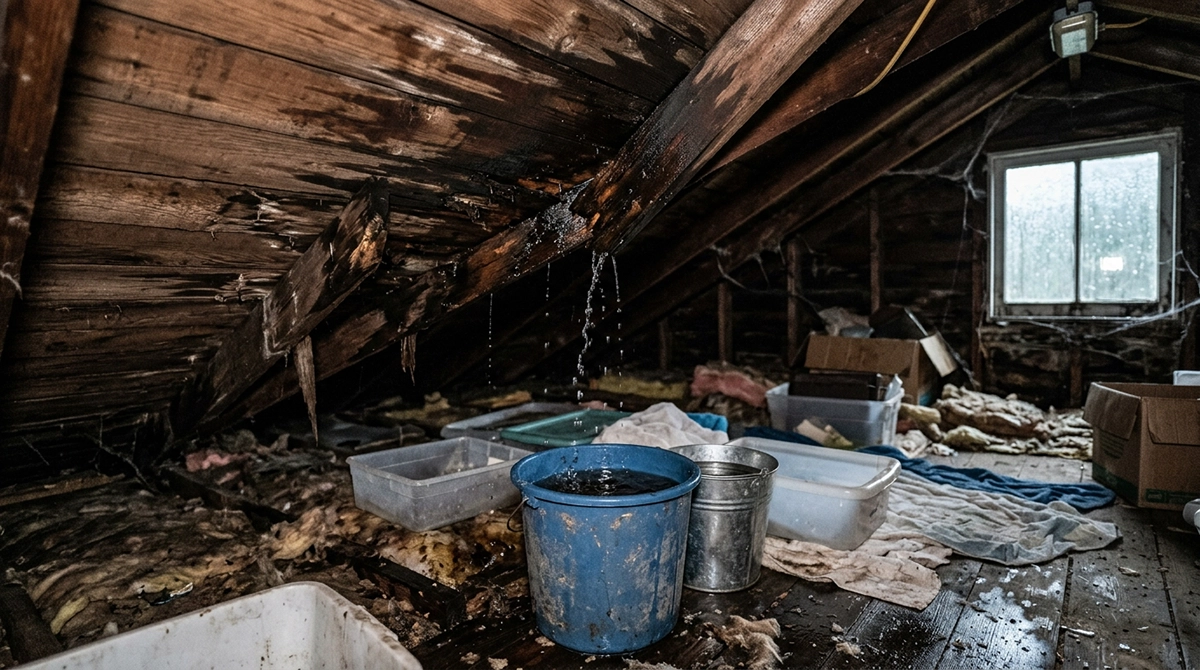
Most homeowners don’t think about their roof until water is dripping onto the kitchen floor. By then, they’re not just dealing with damaged shingles. They’re dealing with soaked insulation, rotted decking, potential mold, and a repair bill that grew considerably while the roof was quietly failing above their heads.
Living in Champaign, your roof takes a real beating. Summers bring heavy thunderstorms and hail. Winters bring freeze-thaw cycles that are surprisingly brutal on roofing materials. And because Central Illinois weather doesn’t exactly ease up between seasons, roofs here tend to wear down faster than homeowners expect.
The good news is that a failing roof almost always gives you warning signs before it starts leaking. Knowing what to look for lets you plan a roof replacement on your timeline instead of scrambling during a rainstorm. Here are five signs that it’s time to have a professional take a look.
1. Curled, Cracked, or Missing Shingles
Your shingles are doing the heavy lifting when it comes to keeping water out of your home. When they start to fail, everything underneath them becomes vulnerable.
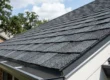
Walk out to your yard and look up. Shingles that are curling at the edges, cupping upward in the middle, or cracking across the surface are all telling you the same thing: the material has aged past its useful life. After a strong Midwestern thunderstorm, you might also notice whole shingles missing, or “bald spots” where the protective granules have worn smooth.
A missing shingle or two can sometimes be replaced, but when curling and cracking are widespread across the roof, patching becomes a losing battle. At that point, a full roof replacement is the more reliable long-term answer. Continuing to patch an aging roof is a bit like putting new tires on a car with a cracked engine block. You’re spending money without solving the actual problem.
2. Sagging or Uneven Rooflines
Stand across the street from your home and take a look at the roofline. It should look flat and solid, with clean lines along the ridge and edges. If you see dips, waves, or sections that look like they’re drooping, that’s a red flag worth taking seriously.
Sagging rooflines are often a sign of rotted decking or weakened structural supports beneath the shingles. In Champaign’s climate, years of ice dams, heavy snow loads, and repeated moisture exposure can slowly compromise the wood components that hold your roof’s shape. This isn’t just an aesthetic issue.
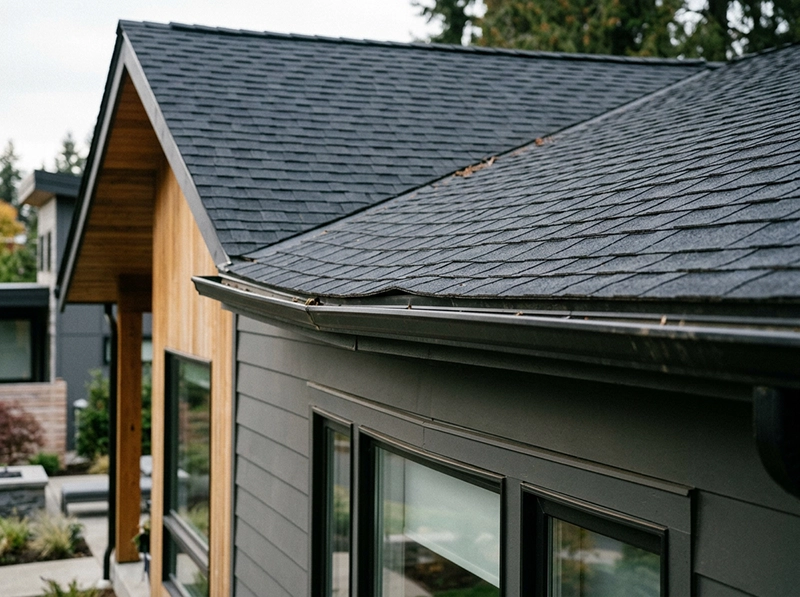
Left long enough, severe sagging can progress toward structural failure, which moves your situation from “I need a roof replacement” to something much more complicated and expensive. If your roofline looks off, call a roofer to evaluate it before the problem compounds further.
3. Water Stains, Musty Smells, or Signs of Moisture Inside
Here’s something a lot of homeowners don’t realize: you don’t need to see water actively dripping from your ceiling for your roof to be failing. In fact, by the time you see a drip, the damage behind your walls and in your attic has often been building for months.
What you should watch for:
- Brown, yellow, or gray stains on ceilings or upper walls, especially after storms
- Peeling paint or bubbling drywall near the top of your walls
- A musty smell coming from the attic
- Damp or compressed insulation when you peek up there
Any of these can indicate that water is finding its way in somewhere. A single small leak caught early can sometimes be repaired, but recurring stains or moisture that keeps showing up in multiple spots usually points to a roof that’s nearing the end of its service life. At that stage, a full roof replacement is often more cost-effective than continuing to chase individual leaks.
4. Granule Loss or Organic Growth on Your Shingles
Asphalt shingles are coated with granules, those small sand-like particles that give your shingles their texture. Those granules protect the underlying asphalt from UV rays and help your roof shed water properly. When they start washing away in large amounts, your shingles are aging out.
After rain, check your gutters and the area around your downspouts. If you’re finding a significant amount of granules collecting there, that’s worth paying attention to. You might also notice shingles that look patchy or smooth in certain areas, which means the surface protection is gone.
In Champaign’s humid summers, it’s also common to see moss, algae, or dark streaks developing on older roofs. A little algae on its own isn’t always a crisis, but when it’s combined with bald spots and granule loss, it typically means the roofing material is breaking down and water intrusion isn’t far behind. That combination is a strong indicator that a roof replacement should be on your radar soon.
5. Your Roof Is Getting Up There in Age
Sometimes the biggest warning sign has nothing to do with how your roof looks from the yard. It’s simply how old it is.
Most asphalt shingle roofs have a useful life of roughly 20 to 25 years, depending on how well they were installed, how your attic is ventilated, and how much weather they’ve seen. Champaign’s climate, with its cycle of heat, hail, wind, and winter ice, can push roofs toward the shorter end of that range.
One thing we see fairly often is homes that had a second layer of shingles installed over the original. This was a popular approach because it saved on tear-off costs, but those layered roofs tend to age faster and can make the eventual replacement more involved.
If your home was built in the late 1990s or early 2000s and still has its original roof, it’s worth having a professional take a look even if everything appears fine from the ground. Getting ahead of the situation with a planned roof replacement is far less stressful than dealing with a sudden failure during a February ice storm.
Why Acting Early Protects Your Home and Your Budget
A proactive roof replacement almost always costs less than waiting until something goes wrong. When roofs fail without warning, the damage rarely stays contained to the shingles. Water works its way into the decking, rafters, insulation, and sometimes walls before anyone realizes it’s happening. By the time you’re dealing with a visible leak, you’re often also dealing with mold, rot, and damaged interior materials that add significantly to the total cost.
Beyond avoiding those hidden costs, there are real benefits to planning a replacement on your own schedule. You can choose materials that improve your home’s curb appeal and potentially its resale value. You can get multiple estimates and select a contractor you trust. And you can have the work done during favorable weather, which makes for a smoother, faster installation than emergency work in the middle of a rainstorm.
Modern roofing products have also improved considerably, and a new roof installed today will come with better warranties and performance than what most older Champaign homes currently have protecting them.
What to Do If You’re Seeing These Signs
If any of these warning signs sound familiar, the right next step is to schedule a professional roof inspection. We’d strongly suggest not climbing up there yourself. Roof surfaces can be slippery, steep roofs are genuinely dangerous, and an untrained eye can easily miss what a roofer would catch in ten minutes.
A qualified local roofer can assess your shingles, flashing, decking, and ventilation, and give you an honest answer about whether targeted repairs make sense or whether a full roof replacement is the smarter long-term move. You’ll get a clear picture of what you’re working with and a realistic timeline and budget so you can plan ahead.
At Roof Panther, we’ve helped homeowners throughout Central Illinois replace aging and damaged roofs before small problems became expensive emergencies. If your Champaign home is showing any of these signs, reach out and we’ll take a look. A quick inspection today can save you a lot of stress, and money, down the road.
Ready to schedule your inspection? Call Roof Panther today at (217) 530-8570.