
Look, I’ve been installing roofs in Central Illinois long enough to know that Mother Nature here has a serious personality disorder. One week we’re dealing with temperatures that’d make a polar bear complain, the next we’re sweating through July humidity that feels like you’re wearing a wet blanket. Then throw in those spring storms that roll through like they’ve got a personal vendetta against anything above ground level.
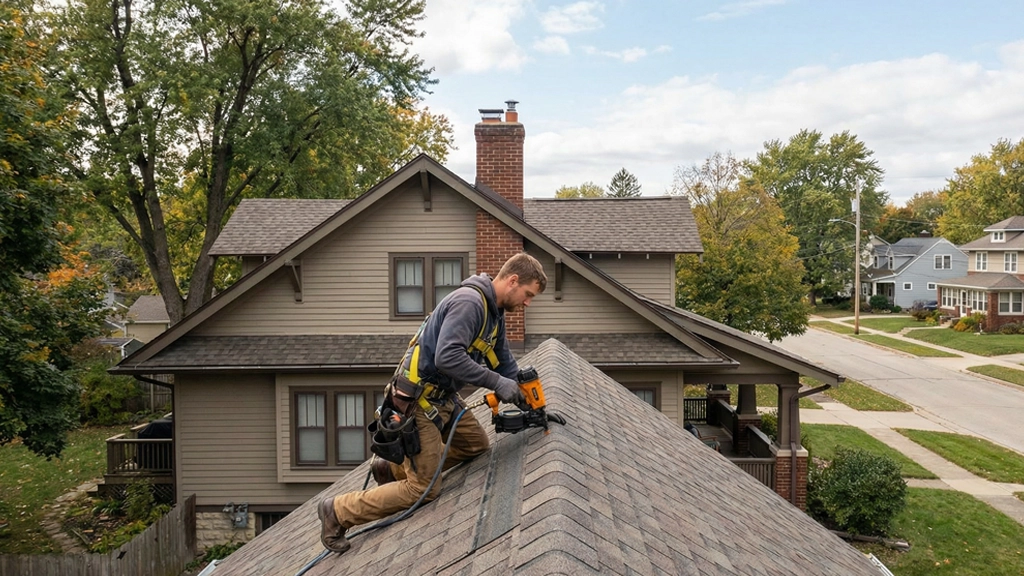
Your roof takes all of this abuse without complaining (well, until it starts leaking). So when it’s time to pick materials for a new roof or replacement, you need to understand what you’re getting into. Not just the pretty pictures in the brochure, but the real-world performance you can expect when you’re 10, 20, or 50 years down the road.
I work with homeowners across Champaign, Urbana, Sidney, Tolono, and the surrounding areas at Roof Panther, and I’ve seen every roofing material succeed brilliantly and fail spectacularly. Here’s what actually works in our neck of the woods.
Asphalt Shingles
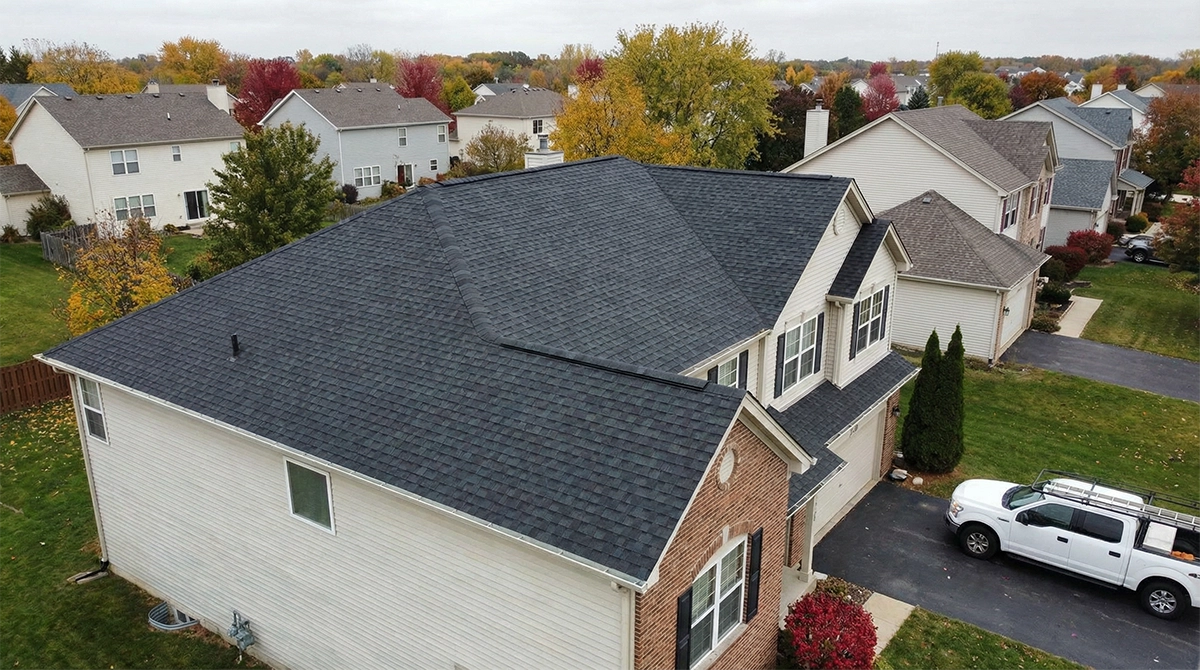
Asphalt shingles are the Honda Civic of roofing. Nobody’s writing poetry about them, but they show up, do the job, and don’t empty your bank account in the process.
These shingles are built with a fiberglass or cellulose base, coated with waterproof asphalt, and topped with mineral granules that protect against UV damage. The installation is straightforward (which keeps labor costs reasonable), and maintenance is pretty minimal compared to fancier options.
Why Homeowners Keep Choosing Them
The math is simple: asphalt gives you solid protection at a price point that won’t require a second mortgage. Modern manufacturing has gotten really good at making these shingles look like premium materials. Want the slate look without the slate price tag? Done. Prefer a wood shake aesthetic without the maintenance headaches? They’ve got you covered (pun absolutely intended).
The trade-off is lifespan. You’re looking at 18-22 years of reliable service before you need to start planning the next replacement. If you’re planning to stay in your house for 15-20 years and then sell, asphalt makes perfect sense. You get solid performance during your ownership, and the next owner deals with the replacement.
Metal Roofing
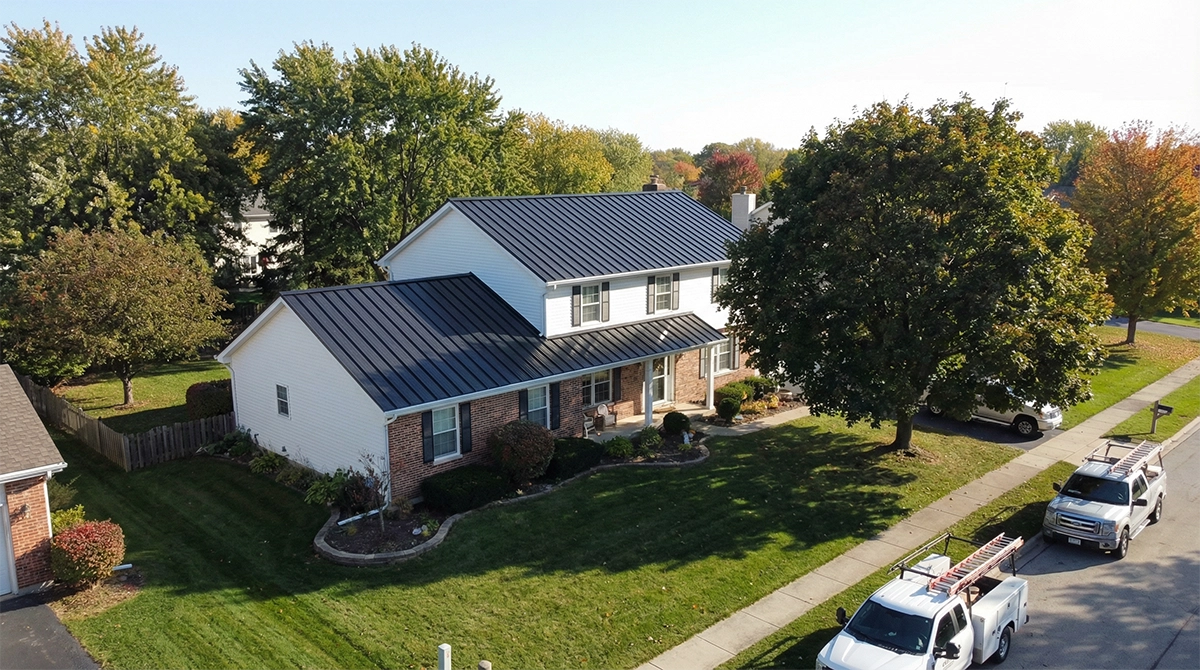
Metal roofing used to be that thing you only saw on barns and industrial buildings. Now? It’s everywhere, and for good reason.
Available as interlocking panels or individual tiles, metal systems are the marathon runners of roofing materials. We’re talking 50+ years of performance, sometimes pushing 70 years with proper maintenance. That’s not marketing hype. I’ve personally inspected metal roofs for decades.
The Real Benefits Beyond Longevity
Metal reflects solar heat instead of absorbing it like asphalt. During our brutal Illinois summers, that translates to lower cooling bills. I’ve had customers report 10-15% reductions in summer energy costs after switching to metal.
Wind resistance is another huge advantage. When those spring storms roll through with 60+ mph gusts, metal roofing stays put. The interlocking design and secure fastening system can handle wind speeds that would have asphalt shingles flying into your neighbor’s yard.
Yes, the upfront cost is higher. Typically 2-3 times what you’d pay for asphalt. But when you spread that cost over 50+ years instead of 20, the math starts looking pretty attractive. Plus, many insurance companies offer discounts for metal roofing because of its superior durability and fire resistance.
Wood Shakes
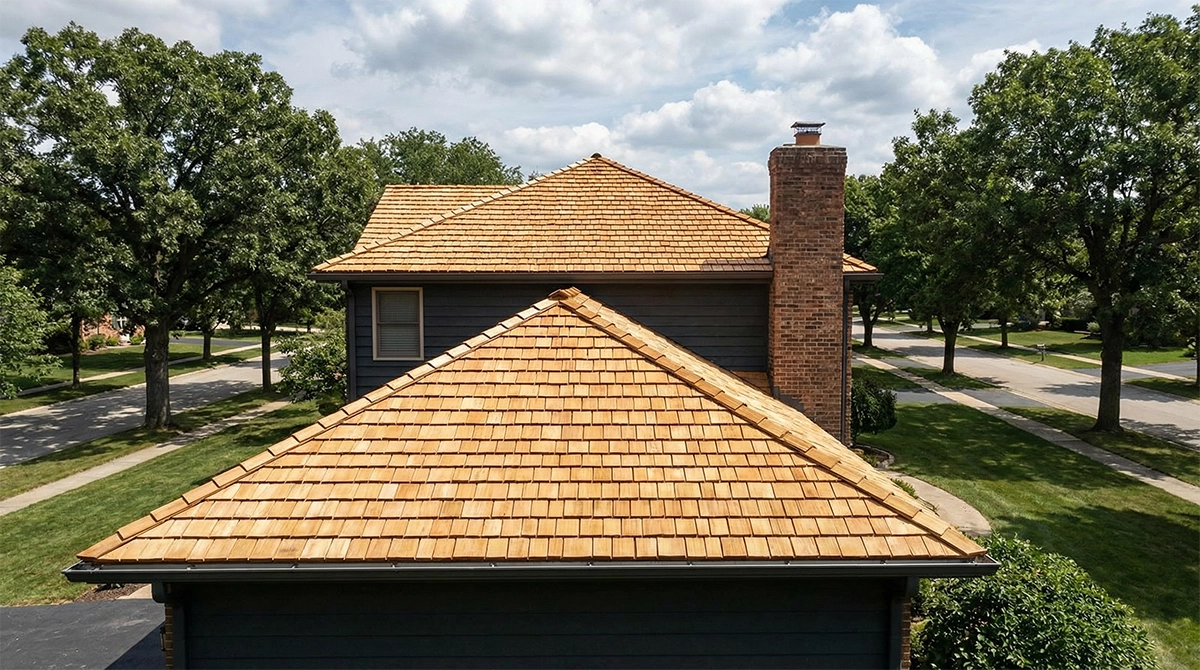
I’m not going to sugarcoat this one. Wood shakes look absolutely gorgeous. That rustic, hand-crafted aesthetic is legitimately beautiful, and nothing synthetic truly captures the same character.
Cedar and redwood shakes bring authentic curb appeal that can make your home stand out in the best possible way. If you’re going for that cottage-in-the-woods or historic craftsman vibe, wood delivers.
The Reality Check You Need to Hear
Central Illinois’s climate is basically designed to destroy wood roofing. Our humid summers create perfect conditions for mold and rot. Spring rains keep things damp for extended periods. Freeze-thaw cycles in winter cause splitting and cracking.
You’re signing up for regular maintenance: treatments, inspections, repairs, and replacements of individual shakes. Insects love wood. Squirrels and other wildlife see it as an invitation. That beautiful patina everyone talks about? It’s literally your roof aging and degrading.
I install wood roofs when customers specifically request them and understand the commitment. But I always make sure they know what they’re getting into. Budget for ongoing maintenance costs that’ll add up over the years.
Slate Tiles
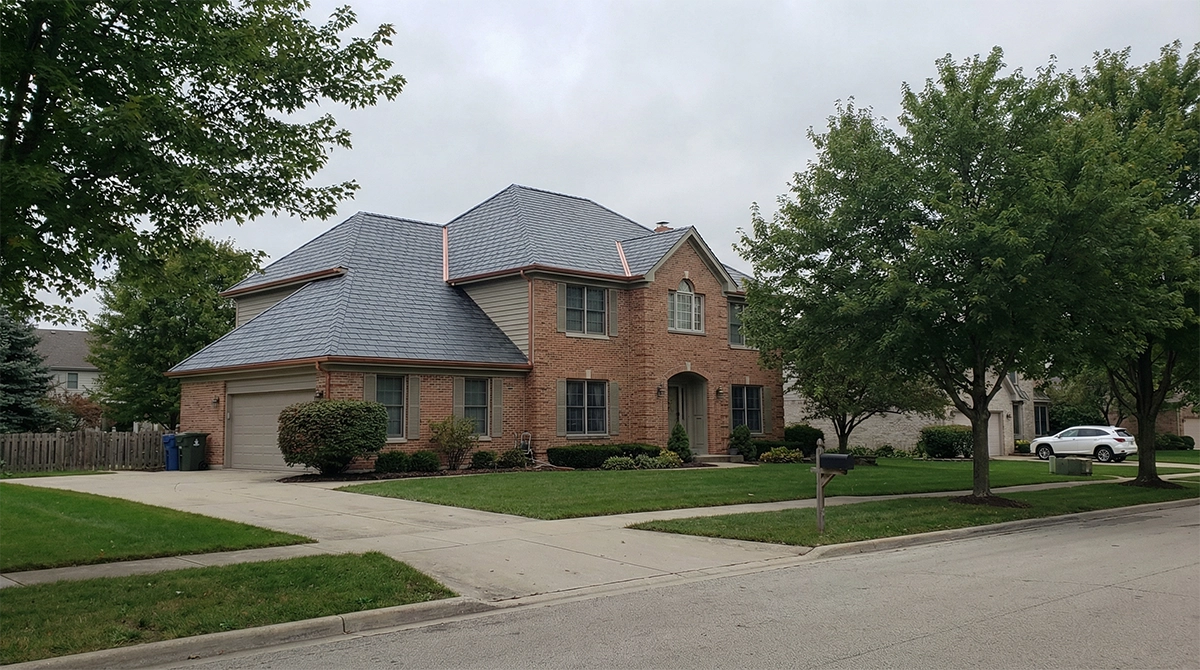
Slate is the roof material that makes other roof materials feel inadequate. We’re talking about natural stone that’s been protecting buildings for literally centuries.
Fire can’t touch it. Weather barely phases it. A properly installed and maintained slate roof routinely hits 100 years, with documented installations exceeding 170 years. That’s not a typo. Your great-great-grandchildren could inherit the same roof.
The Weight of Excellence (Literally)
Here’s the catch: slate is heavy. Really heavy. Your home’s framing needs to be able to support that weight, and many existing structures can’t without significant (read: expensive) reinforcement.
Then there’s the cost. Slate sits at the premium end of residential roofing budgets for both materials and installation. You need specialized contractors who know what they’re doing, because improper installation can damage the slate or create leak points.
But if you’ve got the structural capacity, the budget, and you’re planning to own your home for the long haul (or want to pass it down through generations), slate’s multigenerational durability makes the investment worthwhile.
Clay Tiles
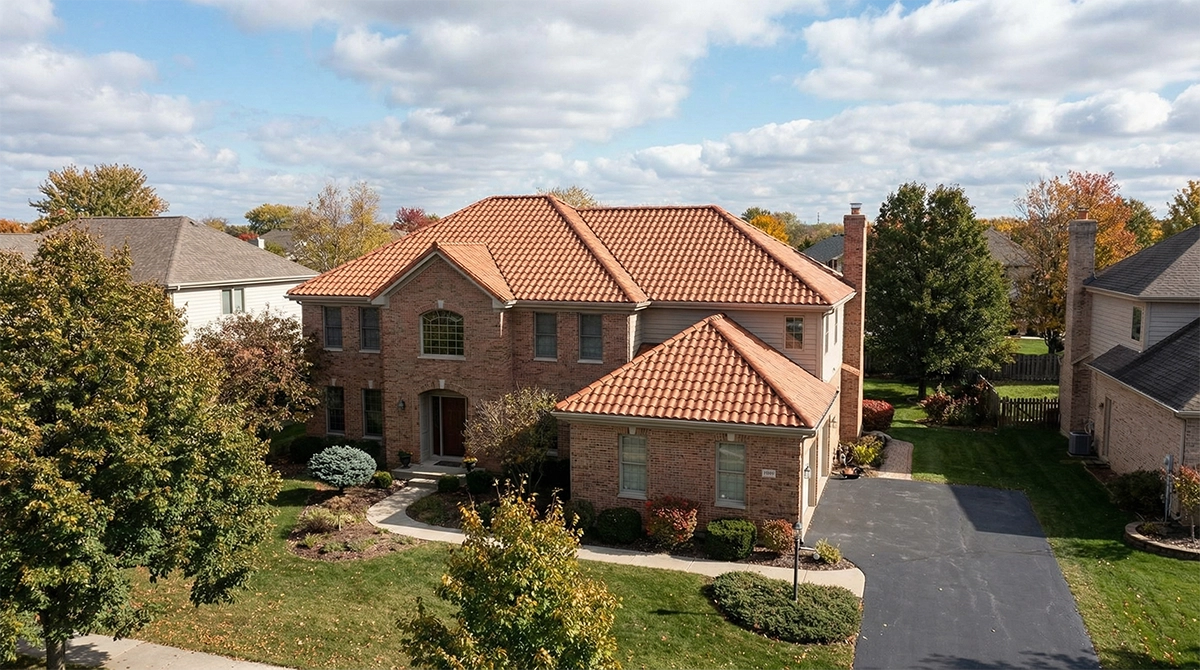
Clay tiles have been protecting homes in harsh climates for centuries. There’s a reason Mediterranean and Spanish-style architecture still uses them. They work.
Formed into barrel tiles, flat profiles, or interlocking designs, clay excels at shedding water and resisting wind uplift. That terracotta aesthetic brings warmth and character that works with everything from Mediterranean revival to surprisingly contemporary designs.
The Practical Challenges
Like slate, clay tiles are heavy and require structural assessment before installation. Your home might need reinforcement, which adds cost and complexity.
Installation requires specialized knowledge. Not every roofing contractor has experience with clay tile, and the ones who do charge premium rates for their expertise. The materials themselves cost substantially more than conventional options.
Many homeowners now look at concrete tile as an alternative. It replicates clay’s appearance while reducing weight and installation complexity. The performance is solid, though not quite at clay’s century-plus level.
Making the Right Choice for Your Situation
Here’s what I tell every homeowner who asks for my recommendation: there’s no universal “best” roofing material. The right choice depends on your specific situation.
How long are you planning to stay in the house? A 15-year homeowner and someone planning to age in place for 50 years need different solutions.
What’s your budget, not just upfront, but for ongoing maintenance? That cheap roof that needs replacing in 18 years might cost more over 30 years than the expensive one that lasts 50.
What can your home’s structure actually support? Wanting slate doesn’t matter if your framing can’t handle the weight without $20,000 in reinforcement.
Central Illinois Climate Considerations
Our freeze-thaw cycles are brutal on roofing materials. Water gets into small cracks, freezes, expands, and turns small problems into big ones. Materials need to handle this cycle repeatedly without degrading.
Summer heat and UV exposure break down materials over time. Those mineral granules on asphalt shingles? They’re slowly washing into your gutters every time it rains.
Storm resistance matters. We get severe thunderstorms with high winds, hail, and occasionally tornadoes. Your roof needs to stay attached to your house when things get nasty.
The Value Equation Nobody Talks About
Cheapest upfront rarely equals best value long-term. When you calculate total cost of ownership (materials, installation, maintenance, repairs, and eventual replacement) over 30-50 years, the numbers often surprise people.
A $15,000 asphalt roof that lasts 20 years costs $750 per year. A $35,000 metal roof that lasts 50 years costs $700 per year, requires less maintenance, and saves money on energy bills. Suddenly that “expensive” option looks pretty reasonable.
I’m not saying everyone should buy the most expensive roof. I’m saying you need to do the math based on your actual timeline and circumstances.
Working with Professionals Who Actually Care
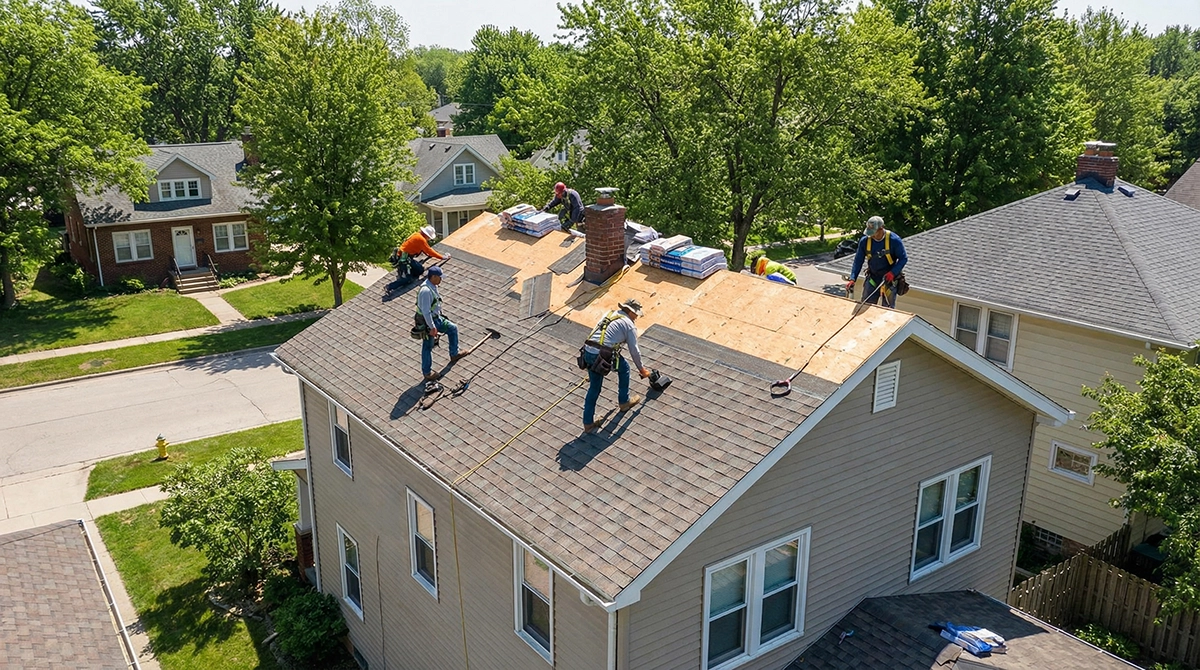
At Roof Panther, we start every consultation by asking questions and actually listening to the answers. What are your priorities? What’s your budget? How long are you planning to stay? What keeps you up at night about your current roof?
We inspect your existing conditions, discuss options honestly (including the downsides), and recommend systems matched to your needs. Sometimes that’s asphalt. Sometimes it’s metal. Occasionally it’s slate or tile for the right situation.
We’re not trying to sell you the most expensive option or default to the cheapest. We’re focused on value: durability, performance, and long-term satisfaction.
Ready to Figure Out Your Best Option?
Every roof is different. Every homeowner’s situation is unique. What works perfectly for your neighbor might be wrong for you.
If you’re in Champaign County or anywhere throughout Central Illinois and need honest advice about roofing materials, installation, repair, or replacement, call Roof Panther at (217) 530-8570 to schedule a consultation. We’ll inspect your situation, discuss your options, and help you make a decision you’ll feel good about for decades.
Because at the end of the day, your roof is protecting everything you own and everyone you love. That deserves more than a one-size-fits-all sales pitch.