
Illinois winters don’t mess around. One day you’re enjoying a crisp fall afternoon, and the next you’re scraping ice off everything while the wind tries to relocate your garbage cans to the next county. As someone who’s seen what these brutal winters can do to homes, I can tell you that your siding choice isn’t just about curb appeal, it’s about survival.
I’ve pulled apart siding in Illinois that looked like it went ten rounds with a heavyweight boxer, all because the wrong material met the wrong weather conditions. The good news? There are materials out there that laugh in the face of winter, and I’m going to tell you exactly which ones will keep your house looking good and staying protected when Mother Nature throws her worst tantrum.
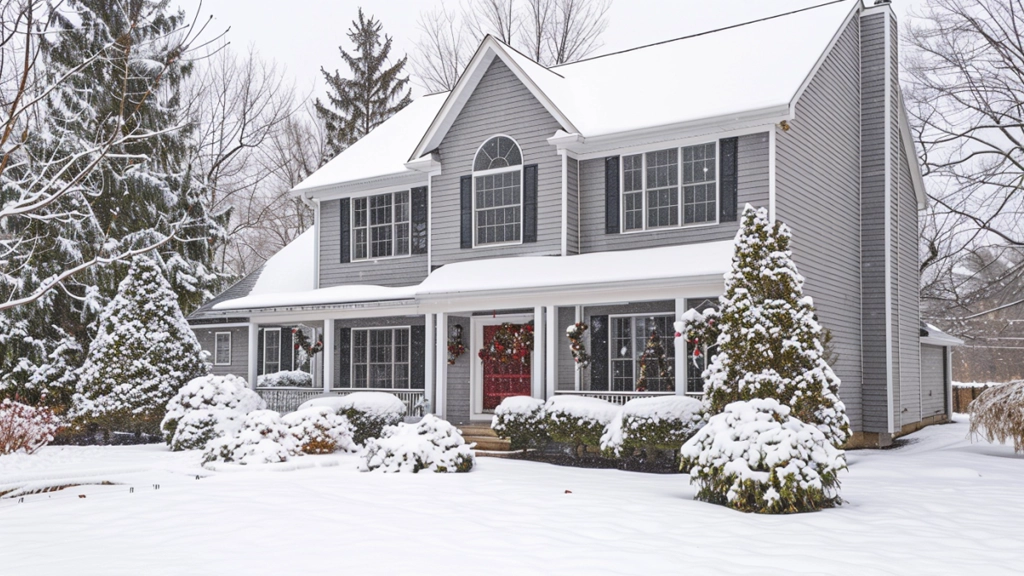
Why Winter Turns Your Siding Into Swiss Cheese
Before we talk solutions, let’s understand the enemy. Midwest winters are like that friend who overstays their welcome, they show up uninvited, stick around too long, and leave a mess behind.
The main culprit is moisture infiltration followed by freeze-thaw cycles. Water has this annoying habit of expanding about 9% when it freezes. Doesn’t sound like much until that water is trapped inside your siding material, pushing outward with enough force to crack concrete. I’ve seen vinyl siding that looked like someone took a hammer to it, all because water got in and decided to throw an expansion party.
Extreme cold makes materials brittle. Think about a rubber band that’s been in the freezer, it snaps instead of stretching. Your siding can react the same way when temperatures plummet to those bone-chilling lows.
Add wind-driven ice, snow loads, and rapid temperature swings, and you’ve got a perfect storm for siding failure. I’ve responded to calls where homeowners woke up to find pieces of their siding scattered across the yard like confetti after a really bad party.
The Champions: Siding Materials That Fight Back
LP SmartSide Engineered Wood
This stuff is like the superhero of the siding world. LP SmartSide takes regular wood and gives it superpowers through engineering and special treatments. The result is a material that bends without breaking and handles freeze-thaw cycles like they’re a minor inconvenience.
What makes it special is the engineered core that’s designed to flex with temperature changes rather than fight them. Traditional wood tries to expand and contract in different directions, creating stress points that eventually fail. LP SmartSide moves as one unit, distributing stress evenly.
I’ve installed this material on homes that have weathered multiple harsh winters without a single crack or split. The factory-applied primer and treatments create a moisture barrier that keeps water where it belongs, on the outside.
The installation is straightforward, and it takes paint beautifully, so you’re not sacrificing aesthetics for performance. It costs more than basic materials, but when you factor in the lack of repairs and replacements, it pays for itself.
Steel Siding
Steel siding is the tank of exterior cladding. It’s non-porous, which means water can’t penetrate and cause freeze damage. I’ve seen steel siding on 50-year-old buildings that still looks solid, while the wood trim around it has been replaced three times.
Modern steel siding comes with advanced coatings that resist rust and provide excellent color retention. The gauge matters, heavier gauge steel resists denting better, which is important when the Midwest decides to throw golf ball-sized hail at your house.
The thermal expansion characteristics require professional installation. Steel moves with temperature changes, and if you don’t account for this movement with proper fastening techniques and expansion joints, you’ll get buckling and warping. Done right, steel siding handles temperature swings from -20°F to 100°F without breaking a sweat.
One thing to watch for is scratches in the coating. A small scratch can lead to rust if not addressed promptly. Touch-up paint is available, and annual inspections help catch problems early.
Insulated Vinyl Siding
Your grandfather’s vinyl siding was basically a thin plastic shell that turned brittle in cold weather. Modern insulated vinyl is a completely different animal. The foam backing provides structural support and insulation value while making the vinyl much more resistant to impact and temperature-related cracking.
The insulation backing serves multiple purposes. It reduces thermal bridging, helps maintain consistent temperatures, and provides a solid substrate that prevents the vinyl from flexing excessively in wind. This backing is what transforms flimsy vinyl into a robust exterior cladding system.
Premium brands like CertainTeed and Norandex have developed vinyl formulations that remain flexible even in subzero temperatures. The key is in the polymer chemistry, they’ve added impact modifiers and UV stabilizers that keep the material from becoming brittle.
I’ve installed insulated vinyl on homes where the previous standard vinyl had cracked extensively. Three winters later, the insulated version still looks perfect. The difference is night and day.
The color-through technology means scratches don’t show as white marks, and the thicker profile provides better shadow lines that make the siding look more like traditional wood clapboard.
James Hardie Fiber Cement
Fiber cement is tough as nails and engineered specifically for harsh climates. James Hardie has spent decades perfecting their formulation to handle freeze-thaw cycles, and their ColorPlus technology provides a factory-applied finish that outperforms field-applied paint.
The material is made from cement, sand, and cellulose fibers, creating a composite that’s stronger than wood and more flexible than pure cement. It won’t burn, won’t rot, and insects can’t eat it. For homeowners dealing with everything from tornadoes to termites, that’s a winning combination.
The catch with fiber cement is installation quality. Water infiltration can cause problems if the siding isn’t properly sealed and flashed. I’ve seen fiber cement installations fail because someone skipped the moisture barrier or didn’t seal the cut edges properly.
When installed correctly with proper caulking, flashing, and moisture management, fiber cement handles Illinois winters beautifully. The factory finish typically carries a 15-year warranty, and the siding itself can last 50+ years with minimal maintenance.
The Losers: Materials That Wave the White Flag
Standard Vinyl Siding
Basic vinyl siding is like bringing a knife to a gunfight. It becomes brittle in extreme cold and cracks under stress. I’ve seen vinyl siding shatter when hit with wind-blown debris during winter storms.
The thin profile provides no insulation value, and the material expands and contracts significantly with temperature changes. This movement stresses the fasteners and can lead to loose or wavy siding over time.
Cheap vinyl also fades quickly under UV exposure and can look chalky after just a few seasons. While it’s inexpensive upfront, the replacement costs add up quickly.
Untreated Wood Siding
Wood siding can look beautiful, but without proper treatment and maintenance, winter will destroy it. Wood absorbs moisture, which leads to swelling, warping, and splitting when that moisture freezes.
I’ve replaced wood siding that looked like it had been through a blender after just five winters. The constant wet-dry and freeze-thaw cycles create stress that natural wood simply can’t handle without extensive maintenance.
Cedar and redwood have natural decay resistance, but they still need regular sealing and staining to survive Illinois weather. Most homeowners underestimate the maintenance requirements and end up with expensive repairs.
Aluminum Siding
Aluminum was popular in the 1970s and 80s, but it has serious drawbacks in Midwest weather. The material dents easily from hail and expands significantly with temperature changes, leading to wavy, buckled appearance.
Aluminum also conducts heat and cold readily, providing no insulation value. The factory finish can chalk and fade, and once the coating is compromised, the aluminum can corrode.
I’ve seen aluminum siding that looked like a washboard after a few hailstorms. While it can be repaired, matching colors on older aluminum is nearly impossible.
Installation Secrets That Make the Difference
Even the best siding material will fail if it’s installed incorrectly. I’ve seen premium materials perform poorly because someone cut corners during installation.
Moisture Management is Everything
Proper moisture barriers and flashing are non-negotiable. Every penetration… windows, doors, outlets, fixtures, needs to be properly sealed and flashed to prevent water infiltration.
I use a two-layer approach: house wrap or building paper as the primary moisture barrier, then proper flashing at all transitions and penetrations. The goal is to create multiple lines of defense against water intrusion.
Caulking is critical but often done poorly. Use high-quality polyurethane or silicone caulks that remain flexible in temperature extremes. I see too many installations where someone used cheap latex caulk that cracks and fails within two seasons.
Expansion Gaps Save Your Siding
Materials expand and contract with temperature changes, and if you don’t give them room to move, something’s going to break. Vinyl siding can change length by over an inch on a 40-foot run between summer and winter temperatures.
I leave 1/4 inch gaps at all terminations for vinyl and adjust fastener placement to allow for movement. The siding should be able to slide back and forth slightly when properly installed. Nail it tight, and you’ll get buckling and warping.
Metal siding requires even more careful attention to expansion joints. I use special fasteners and clips that allow movement while maintaining weather sealing.
Proper Fastening Techniques
Each material has specific fastening requirements that can’t be ignored. Fiber cement requires stainless steel nails driven to specific depths. Overdrive the nail, and you’ll crack the siding. Under-drive it, and you’ll get loose boards.
Vinyl siding should never be nailed tight. The nail should go through the center of the slot, and there should be about 1/32 inch gap between the nail head and the siding. This allows for thermal movement.
Steel siding uses special clips and fasteners designed to accommodate expansion while providing secure attachment. Standard nails and screws will cause problems over time.
Maintenance That Extends Siding Life
Even the best siding needs some attention to perform at its peak. I recommend annual inspections each fall before winter arrives.
Fall Inspection Checklist
Walk around your house and look for:
- Loose or missing caulk around windows, doors, and trim
- Cracked or damaged siding boards
- Gaps where water could infiltrate
- Loose fasteners or hardware
- Areas where vegetation is touching the siding
Small problems found in fall can be fixed easily. Wait until spring, and that small gap might have turned into a major water damage issue.
Winter Care
Remove snow buildup against siding, especially around foundations. Snow holds moisture against the siding and can cause problems when it melts and refreezes repeatedly.
Road salt spray is hard on all siding materials. Rinse off salt residue when possible, especially on metal siding where salt can accelerate corrosion.
Don’t use metal tools to remove ice from siding. I’ve seen homeowners chip and crack their siding trying to remove ice dams. Use plastic tools or let it melt naturally.
Spring Cleanup
After winter passes, give your siding a thorough cleaning. Use a soft brush and mild detergent to remove dirt, mold, and mildew that accumulated during the winter months.
Check for any damage that occurred during winter storms. Small repairs made promptly prevent bigger problems later.
Touch up any scratches or chips in painted surfaces before they can lead to moisture infiltration and larger issues.
Cost vs. Performance Reality Check
Premium siding materials cost more upfront, but the math works in your favor over time. I’ve tracked maintenance and replacement costs for different materials, and the results are eye-opening.
Basic vinyl might be the most economical option initially, but if you’re replacing sections every few years due to cracking and damage, those costs add up quickly. Premium insulated vinyl often costs less over a 20-year period when you factor in repairs and energy savings.
LP SmartSide typically lasts 30+ years with minimal maintenance. Compare that to wood siding that needs repainting every 5-7 years and frequent board replacements.
Steel siding has the highest upfront investment, but it can last 50+ years with virtually no maintenance beyond occasional cleaning. The long-term value is excellent.
Fiber cement provides excellent durability and low maintenance requirements. The factory finish typically lasts 15+ years without repainting.
Making the Right Choice for Your Home
Your siding choice depends on your budget, maintenance preferences, and aesthetic goals. If you’re planning to stay in your home long-term, investing in premium materials makes financial sense.
For maximum durability with minimal maintenance, steel siding is hard to beat. It’s the choice for homeowners who want to install it once and forget about it for decades.
LP SmartSide offers the best balance of performance, appearance, and cost for most homeowners. It looks like real wood, performs better than wood, and costs significantly less than steel or premium fiber cement.
Insulated vinyl makes sense for budget-conscious homeowners who want better performance than standard vinyl without the premium price of engineered materials. Just make sure you’re getting true insulated vinyl, not standard vinyl with a thin foam backing.
Fiber cement is ideal if you love the look of wood but want superior fire resistance and durability. It’s particularly popular in areas with strict fire codes or where wildfire risk is a concern.
Regional Considerations in Illinois
Different parts of Illinois face varying weather challenges that affect siding performance. Northern Illinois deals with more severe cold and longer winters, making material flexibility crucial. The Chicago area also faces lake effect weather that can create unique moisture challenges.
Central Illinois experiences more temperature swings and severe thunderstorms with large hail. Impact resistance becomes more important in these areas.
Southern Illinois has milder winters but higher humidity and more tornado activity. Wind resistance and moisture management are key considerations.
I adjust my material recommendations based on these regional differences. A home in Rockford might benefit from different siding than one in Carbondale, even though both are in Illinois.
Professional Installation vs. DIY
Siding installation looks straightforward, but the details matter enormously. I’ve fixed countless DIY installations where homeowners got the basics right but missed critical details like proper flashing or expansion gaps.
Simple ranch homes with minimal trim and few penetrations can be good DIY projects for handy homeowners. Complex homes with multiple stories, dormers, and architectural details usually require professional installation.
The tools required for proper siding installation are significant. You need scaffolding or ladders, specialized cutting tools, and various fasteners and flashing materials. For many homeowners, hiring professionals makes more economic sense than buying tools for a one-time project.
Insurance considerations also matter. Professional installations typically come with warranties and insurance coverage. DIY installations might not be covered if problems develop later.
Future-Proofing Your Investment
Climate patterns are changing, and Illinois is experiencing more extreme weather events. The polar vortex events of recent years brought temperatures that tested siding materials beyond their traditional limits.
Choosing materials with proven performance in extreme conditions provides insurance against future weather surprises. The extra cost of premium materials looks small compared to emergency repairs during a brutal winter.
Energy efficiency is becoming increasingly important as utility costs rise. Insulated siding materials can reduce heating and cooling costs significantly over their lifetime.
Resale value matters too. Premium siding materials typically provide better returns when you sell your home. Buyers recognize quality materials and are willing to pay for reduced maintenance requirements.
The Bottom Line on Illinois Winter Siding
Illinois winters separate the wheat from the chaff when it comes to siding materials. You can gamble with cheap materials and hope for mild winters, or you can invest in proven performers that handle whatever nature throws at them.
I’ve seen too many homeowners learn expensive lessons about siding performance during brutal winters. The smart money goes on materials like LP SmartSide, steel, or premium insulated vinyl that are specifically engineered for harsh climates.
Proper installation matters as much as material choice. Even the best siding will fail if it’s not installed with attention to moisture management, thermal movement, and proper fastening techniques.
The peace of mind that comes from quality siding is worth the investment. When the weather forecast calls for another polar vortex or ice storm, you’ll sleep better knowing your home’s exterior can handle whatever comes next.
Your siding is your home’s first line of defense against weather. Choose materials that are ready for the fight, install them properly, and maintain them appropriately. And if you’re not sure where to start, call Roof Panther at (217) 530-8570. Your house will thank you, your wallet will thank you, and you’ll have one less thing to worry about when winter decides to show its teeth.