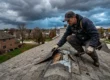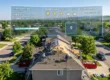

When you’re buying a home, it’s easy to get caught up in the excitement of new spaces and paint colors. But before you sign on that dotted line, there’s one critical component of the house that demands your attention: the roof. A thorough roof inspection can reveal hidden problems that could cost you thousands of dollars in repairs down the road. Think of it as a health checkup for your home’s most important protective system.
Why Your Roof Matters More Than You Think
Your roof is literally your home’s first line of defense against the elements. According to recent data, 86% of home inspections uncover issues that need repair, and the roof is frequently where serious problems hide. Unlike issues with a water heater or appliances that you might replace eventually, roof problems directly affect your home’s structural integrity and can lead to water damage, mold growth, and costly repairs if left unaddressed.
A professional roof inspection typically costs between $120 and $400, depending on your roof’s size and complexity. While this might seem like an extra expense, it’s one of the smartest investments you can make during the home-buying process. Many roofing companies even offer free inspections when you’re considering a roof replacement, so ask about this when you get quotes.
Understanding Different Roofing Materials and Their Lifespans
Not all roofs are created equal. The material used determines how long the roof will last and what maintenance it requires. Knowing what you’re looking at helps you understand whether you’re inheriting a roof nearing the end of its life or one with many years of protection ahead.
Slate Roofing stands as the gold standard, lasting over 100 years. It’s incredibly durable, resists fire, and withstands extreme weather, but it’s also among the most expensive roofing options and requires structural support due to its weight.
Clay and Concrete Tiles offer impressive longevity, typically lasting 50 to 100 years. These materials resist heat and moisture well but also require proper structural support due to their weight.
Metal Roofing, including steel, aluminum, and copper, lasts 40 to 70+ years or more depending on the type. Metal roofs excel in extreme weather, shed snow effectively, and resist fire and high winds. Copper can last over 100 years but comes at a premium price.
Composite or Synthetic Shingles typically last 40 to 50+ years and require low to medium maintenance.
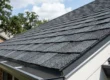
Architectural Asphalt Shingles are common and last 25 to 30+ years with low to medium maintenance.
Standard Asphalt Shingles are the most affordable option but have the shortest lifespan, lasting only 15 to 20 years.
Understanding what material covers the home you’re considering helps you gauge how much roof life remains and whether replacement costs are on the horizon.
What Professional Inspectors Look For: The Complete Checklist
A thorough roof inspection has three main components, each revealing different issues that could affect your decision to buy.
Exterior Inspection (Ground Level)
Start your assessment from the ground. Even from below, experienced inspectors can spot red flags:
Missing, cracked, or curling shingles are your first warning sign. Missing shingles leave the underlayment exposed, while cracked and curling shingles compromise the roof’s ability to shed water. A few damaged shingles might be cosmetic, but widespread damage signals that replacement could be coming soon.
Moss, algae, and debris buildup indicate moisture retention problems. While moss might look harmless, it traps moisture that degrades shingle granules and leads to rot. Debris in valleys and gutters prevents proper water drainage, creating pooling that weakens materials over time.
Sagging areas are serious and suggest structural issues or water damage. If the roof line appears to dip in the middle or shows unevenness, it could indicate weak support beams, excessive roofing material weight, or prolonged moisture damage.
Gutter condition matters more than most homebuyers realize. Look for dents, rust, loose hangers, or blockages. Damaged gutters can’t properly channel water away from your home’s foundation and siding, leading to water damage, wood rot, and even basement flooding.
Close-Up Inspection (Roof Surface)
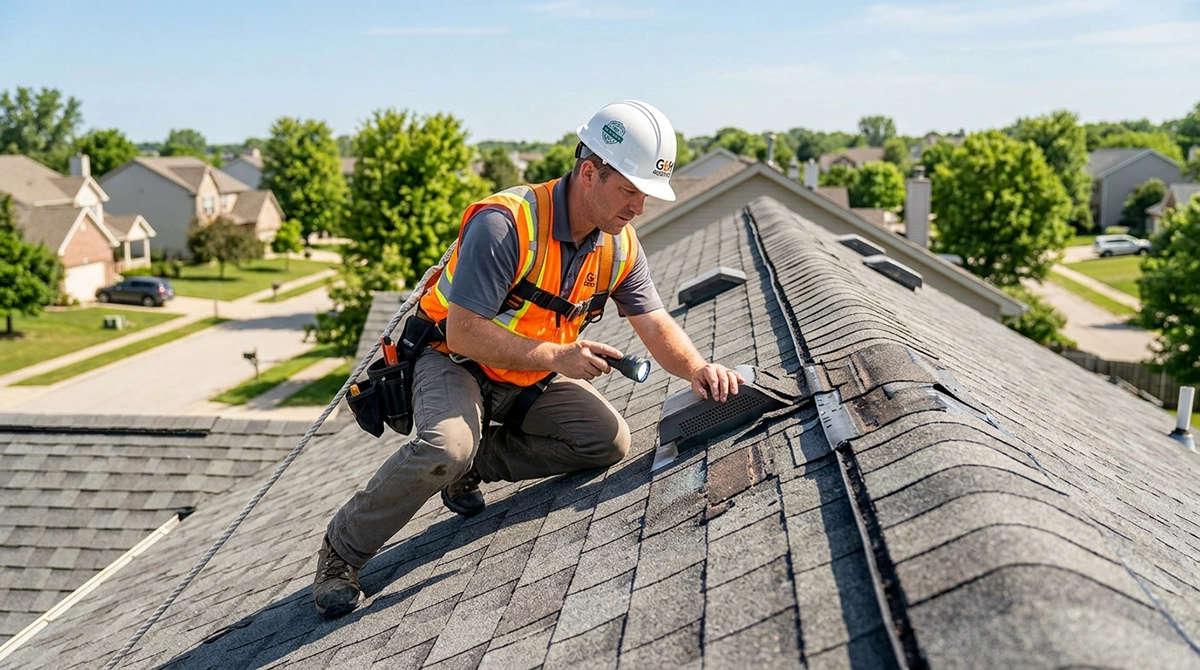
Professional inspectors get up close with ladders (or use drones and cameras on steep or inaccessible roofs) to examine:
Shingle condition in detail, checking for proper installation, wear and tear, and weathering from sun, rain, and wind. Granule loss in asphalt shingles is particularly important. If your gutters are filled with granules, the roof is deteriorating faster than normal.
Flashing around critical areas like chimneys, vents, skylights, and valleys. Flashing is the thin metal material installed where the roof meets walls or other structures. Damaged or rusted flashing is one of the most common reasons for leaks, and it requires replacement every 10 to 15 years.
Roof penetrations (anything coming through the roof like chimneys, vents, or skylights) to ensure they’re properly sealed and leak-free. Small penetration problems are usually inexpensive fixes, but widespread issues can become costly.
Proper drip edge installation at the roof’s edges (the rakes and eaves) to keep water away from your fascia. Building codes require proper drip edge, and retrofitting it on existing roofs is expensive. A missing drip edge could be a deal-breaker or require costly repairs.
Number of shingle layers currently installed. Building codes typically allow only two layers for fire safety reasons, but older homes sometimes have three or four layers. If your area requires removal of extra layers before purchase, this becomes a significant cost consideration.
Interior Inspection (Attic and Upper Floors)
Hidden damage reveals itself inside the home. Professional inspectors check:
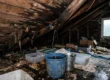
Water stains on ceilings, walls, and attic framing. These are telltale signs of past or ongoing roof leaks. Water stains can indicate that moisture has penetrated roofing materials and reached interior surfaces, signaling problems that might worsen if left unaddressed.
Mold or mildew growth, particularly in attics. Persistent dampness suggests either poor ventilation or slow leaks in the roofing structure.
Attic ventilation adequacy. Without proper attic ventilation, trapped air dramatically shortens a roof’s lifespan and increases energy bills. An improperly ventilated attic is one of the most costly problems to uncover during an inspection.
Wood rot or structural damage to rafters and trusses. Prolonged water exposure can compromise the structural integrity of your home.
Signs of pest infestations in the attic, which often indicate openings in the roof or poor maintenance.
Holes in walls or ceilings and unexpected beams of light coming into the attic, which indicate structural compromises.
Red Flags That Should Concern You
Certain findings during a roof inspection should raise serious concerns about proceeding with a purchase or renegotiating the terms.
Sagging Roof Deck is a major structural issue. A sagging roof not only poses safety concerns but also indicates deterioration from age, water damage, or weak support systems. This typically signals that a roof replacement is imminent.
Water Stains on Ceilings or Walls inside the home are clear indicators of roof leaks. These stains show that moisture has penetrated beyond the roofing material and reached your living space. The longer these problems persist, the more extensive and expensive remediation becomes, including potential mold treatment and structural repairs.
Gutter and Drainage Issues create a cascade of problems. Clogged gutters, missing sections, or poor installation prevent water from draining safely away from the house, leading to water intrusion and structural damage. In colder climates, drainage issues cause ice dams, which can make the roof sag from the weight of icicles.
Flashing Problems, whether rusty, damaged, or missing, are among the biggest red flags. Flashing is critical for preventing water intrusion, and improper flashing can result in very expensive repairs or require replacement during a full roof re-do.
Moss or Algae Growth signals excess moisture, which accelerates roof deterioration. While it might seem cosmetic, this growth indicates conditions that are damaging your roof from the outside in.
Inconsistent Roofing Materials could mean patchy repairs were made over the years, suggesting the roof has had problems. A patchwork of different shingle types or materials indicates the previous owner addressed problems reactively rather than proactively.
The Attic: Where Hidden Problems Hide
Many significant roof issues only reveal themselves in the attic. This is why interior inspection is just as important as exterior inspection.
Check for these specific attic concerns:
Moisture and Dampness: Feel the insulation. Lumpy, uneven, or wet insulation indicates moisture problems from leaks or poor ventilation. Wet insulation loses its effectiveness and creates conditions for mold growth.
Visible Mold or Mildew: Look for black, green, or white discoloration on wood framing, insulation, or rafters. Mold growth indicates prolonged moisture exposure and poses health risks.
Water Stains on Wood: Brown or discolored areas on rafters, joists, or roof decking show where water has traveled. Multiple stains suggest chronic leaks rather than one-time events.
Inadequate Ventilation: Check for soffit vents (along the eaves) and ridge vents (at the peak). These should allow air to flow through the attic. Blocked, missing, or inadequate vents trap hot, moist air that degrades roofing materials and shortens roof life.
Proper Ventilation System: A functional attic ventilation system is crucial for your roof’s health and your home’s energy efficiency. Improper ventilation creates costly problems, making this one of the most important factors to verify.
Making Your Move: Negotiation Strategies
Once you have a professional inspection report in hand, you’re armed with knowledge to negotiate effectively.
Get Multiple Repair Estimates
Obtain at least three estimates from licensed roofing contractors. Multiple quotes give you a better sense of repair costs and strengthen your negotiating position. Compare detailed breakdowns of materials, labor, permits, and disposal fees.
Prioritize Critical Repairs
Focus negotiations on essential repairs that affect the roof’s integrity and your home’s safety. Critical issues include active leaks, missing large sections of shingles, structural sagging, and significant flashing damage. You can address minor cosmetic issues after purchase if needed.
Present Your Evidence
Share the inspection report and repair estimates with the seller. Explain how roof condition affects the home’s value and your costs as the new owner. A well-documented argument backed by professional assessments and contractor quotes carries weight.
Negotiate Concessions
If the seller won’t make repairs, ask for concessions. Options include reducing the purchase price by the repair cost amount, providing closing cost credits, or setting aside an escrow holdback (money held until repairs are completed).
Use Contingencies
Include a roof inspection contingency in your purchase agreement, allowing you to renegotiate or withdraw if significant issues arise. This protects you from discovering costly problems after you’ve committed to the purchase.
Questions to Ask During Your Roof Inspection
Work with your inspector to get clarity on specific issues:
Ask about the roof’s estimated remaining lifespan and when replacement might be necessary. This helps you budget for future maintenance.
Request detailed photos and written explanations of any damage found. Don’t rely solely on verbal descriptions.
Ask whether issues are immediate safety concerns or problems that can be addressed long-term. This helps you prioritize and understand urgency.
Inquire about whether previous repairs appear professional or indicate ongoing problems.
Ask about warranty information on the roof. Knowing what’s covered, how long coverage lasts, and whether it transfers to new owners affects your negotiations and future repair costs.
Moving Forward With Confidence
A professional roof inspection takes 45 minutes to four hours, depending on your roof’s size, materials, and accessibility. During this time, the inspector will document every component and send you a comprehensive report with findings, pictures, and recommended repairs.
Armed with this information, you can make an informed decision about your home purchase. Whether you’re asking the seller for repairs, negotiating a price reduction, or feeling confident about inheriting a sound roof, you’ll know exactly what you’re getting and what you might need to budget for in the future.
The roof over your head is quite literally one of your home’s most important investments. Taking time to understand its condition before you buy protects your financial investment, your safety, and your peace of mind for years to come.
Ready to schedule your inspection? Call Roof Panther today at (217) 530-8570.