
Nobody wakes up on a Tuesday morning excited to replace their roof. It’s not the kind of home improvement project you brag about at a cookout. But when the time comes, you want to know what you’re getting into financially before a contractor shows up with a quote that makes your stomach drop.
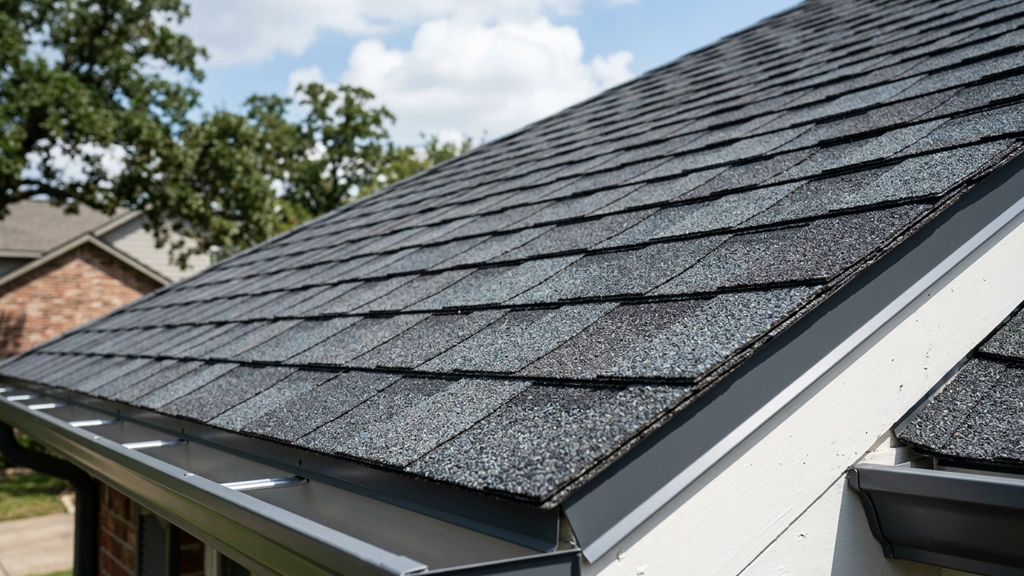
Here’s a straightforward look at what a new roof costs in Illinois in 2026, what drives that price up or down, and how to make sure you’re not overpaying.
The Short Answer: What Does a New Roof Cost in Illinois?
For most Illinois homeowners, a full roof replacement runs somewhere between $8,000 and $40,000, depending on the size of the home, the materials used, and where you live in the state. That’s a wide range, so let’s narrow it down.
If you have an average-sized home between 2,000 and 2,500 square feet and you’re going with standard asphalt shingles (which most people do), expect to pay somewhere in the $15,000 to $25,000 range for a complete replacement. The statewide average sits around $15,200, though that number shifts depending on your specific location and roof complexity.
Here’s a quick breakdown by home size:
| Home Size | Estimated Cost (Asphalt Shingles) |
|---|---|
| Small (1,000–1,500 sq ft) | $7,500 to $13,500 |
| Medium (1,500–2,500 sq ft) | $10,000 to $20,500 |
| Large (2,500–3,500+ sq ft) | $16,000 to $30,000+ |
One thing worth clarifying: roofing costs are based on the roof’s actual square footage, not the home’s floor plan. A two-story home with 1,500 square feet of living space may have a much smaller roof footprint than a sprawling single-story ranch. That distinction matters when you’re reading quotes.
Roofing Material: Where the Money Goes
Material choice is the biggest variable in any roofing estimate. Here’s how the main options compare for a 2,000-square-foot roof:
3-Tab Asphalt Shingles run about $12,600 to $16,800 fully installed. They’re the budget option, but they’re increasingly being phased out. Shorter lifespan, lower wind resistance, and less curb appeal make them a tough sell when the price difference over architectural shingles isn’t that dramatic.
Architectural (Dimensional) Asphalt Shingles typically cost $16,800 to $22,400 for the same size roof. This is what most Illinois homeowners are getting, and honestly, it’s the sweet spot. Better wind resistance, better aesthetics, and a longer expected lifespan of up to 30 years. If someone is quoting you for a new roof without mentioning architectural shingles as at least an option, that’s a conversation worth having.
Premium/Designer Shingles step up to $25,200 to $33,600 or more. These look great and often carry better warranties, but they’re a harder sell unless you’re staying in the home long-term or you have a specific aesthetic goal.
Metal Roofing is a completely different category. Installation in Illinois ranges from around $21,000 to $47,000 depending on the metal type. Steel and aluminum are the practical choices for most homeowners. Copper is gorgeous and will outlast everyone reading this article, but it runs $2,000 to $4,000 per roofing square (that’s per 100 square feet), so it’s not for the faint of wallet.
The payoff for metal is longevity. A metal roof can last 40 to 70 years, compared to 20 to 30 for asphalt. If you’re planning to stay in your home for decades and don’t want to think about roofing again, metal is worth the math.
Wood shakes and slate round out the high end at $18,000 to $32,000 and $30,000 to $60,000-plus, respectively. Slate in particular requires structural reinforcement in most homes, which adds significant cost. Beautiful material, serious investment.
Why Central Illinois Costs Less Than Chicago (And That’s Actually Good News)
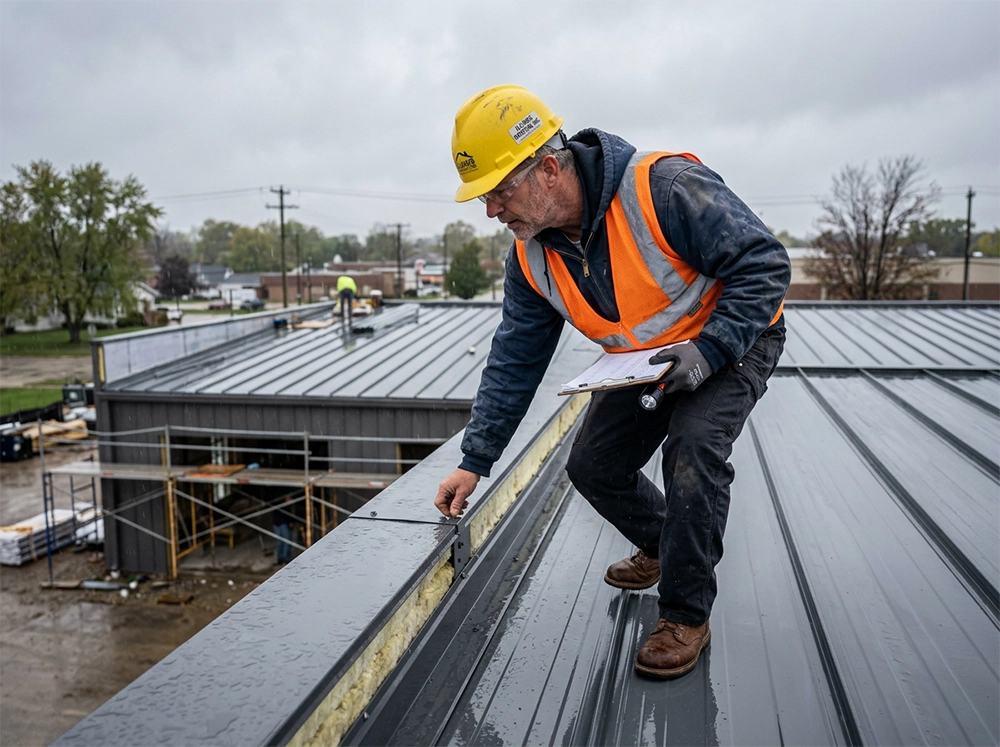
If you’re in Springfield, Peoria, Bloomington, or the Champaign-Urbana area, you have an advantage over Chicago homeowners that doesn’t get talked about enough. Urban Chicago labor costs and logistics can push a 2,000-square-foot roof replacement to $13,500 to $24,000 or more. In Central Illinois, that same roof typically runs $11,000 to $19,500.
That difference comes down to labor market rates, overhead for contractors operating in dense urban environments, and stricter municipal codes that add time and cost to projects. In Central Illinois, you get the same quality materials, the same code requirements, and generally shorter wait times for scheduling, without the Chicago premium attached.
What Actually Makes Your Roof Cost More (or Less)
Beyond materials, a few other factors can swing your total significantly.
Roof Pitch: A steep roof takes longer to work on safely. It requires more equipment, a larger crew, and more time. A gentle 4/12 pitch might cost $4 to $5 per square foot in labor. A steep 10/12 pitch can double that labor rate.
Complexity: Every dormer, valley, chimney, skylight, and vent pipe adds labor time and material. These features can add $100 to $500 each to your total. A simple ranch home with a clean roofline is much cheaper to reroof than a Victorian with a dozen different angles and penetrations.
Tear-Off: If the existing shingles need to come off first (which is usually the right call), that adds $1 to $5 per square foot or roughly $1,000 to $1,500 for most homes. Some contractors will offer to install over existing shingles to save money, but this can shorten the new roof’s lifespan and may create problems down the road.
Permits: Most Illinois municipalities require a roofing permit. Fees run $50 to $300 depending on the city. Any contractor who suggests skipping the permit to save a little money is not doing you any favors. Unpermitted work can result in fines and serious complications when you sell the home.
Timing: Scheduling a project in early fall (September or October) can sometimes get you better pricing and quicker scheduling as contractor demand eases from the summer peak.
Illinois Licensing and Insurance: Don’t Skip This Part
Illinois requires roofing contractors to hold a valid state roofing license. A permit cannot be issued without one. Contractors also need to carry minimum liability insurance of $500,000, property damage coverage of $250,000, and Workers’ Compensation if they have employees.
Before anyone gets on your roof, ask for two things: the contractor’s Illinois roofing license number and a Certificate of Insurance. A legitimate, established contractor will hand those over without hesitation. Someone who gets vague or defensive about providing them is a red flag worth paying attention to.
Should You Repair or Replace?
This is often the harder question. Here’s a rough guide.
Asphalt shingles in the Midwest last 20 to 25 years, sometimes 30 for architectural grades. If your roof is under 15 years old and has localized damage from a storm, repairs make sense. If it’s pushing 20 years and you’re seeing curling shingles, granule loss in the gutters, cracked or missing shingles after hail, or water stains on interior ceilings, you’re looking at a roof that’s past its prime.
Illinois’s freeze-thaw cycles are genuinely brutal on roofing materials. A 22-year-old roof in Central Illinois has been through a lot, and as shingles age, their ability to seal properly diminishes. At some point, patching individual problems becomes more expensive over time than replacing the whole thing, especially once water starts finding its way inside.
Tips for Getting a Fair Price
A few practical things before you sign anything:
Get at least three quotes from licensed contractors. Prices can vary more than you’d expect for the same scope of work.
Read the quotes carefully. Make sure each one clearly states what’s included: tear-off, underlayment, flashing replacement, permit fees, cleanup. A low quote that excludes half of those items isn’t actually a low quote.
Ask about impact-resistant shingles. Class 4 rated shingles cost a bit more, but some Illinois homeowners can qualify for insurance discounts that offset the difference. Worth asking your insurance agent about before you finalize materials.
Consider architectural shingles over 3-tab even if the budget is tight. The modest price difference gets you meaningfully better wind resistance, which matters in a state that sees its share of spring storms.
Getting an Honest Quote for Your Home
At Roof Panther, we work with homeowners across Central Illinois on projects exactly like this every day. We know the local labor market, the permit requirements in the municipalities we serve, and how to put together an estimate that actually covers the full scope of work without surprises at the end.
If your roof is showing signs of wear, or you just want to know where things stand before a problem develops, we’re happy to take a look, call Roof Panther at (217) 530-8570 to schedule your free consultation.