

Let me tell you, there’s nothing quite like a Midwest storm to remind you of Mother Nature’s power. One minute you’re grilling in the backyard, and the next you’re watching golf ball-sized hail destroy your flowerbeds. As someone who’s seen the aftermath of countless storms across Illinois, I can tell you that preparation isn’t just smart, it’s essential.
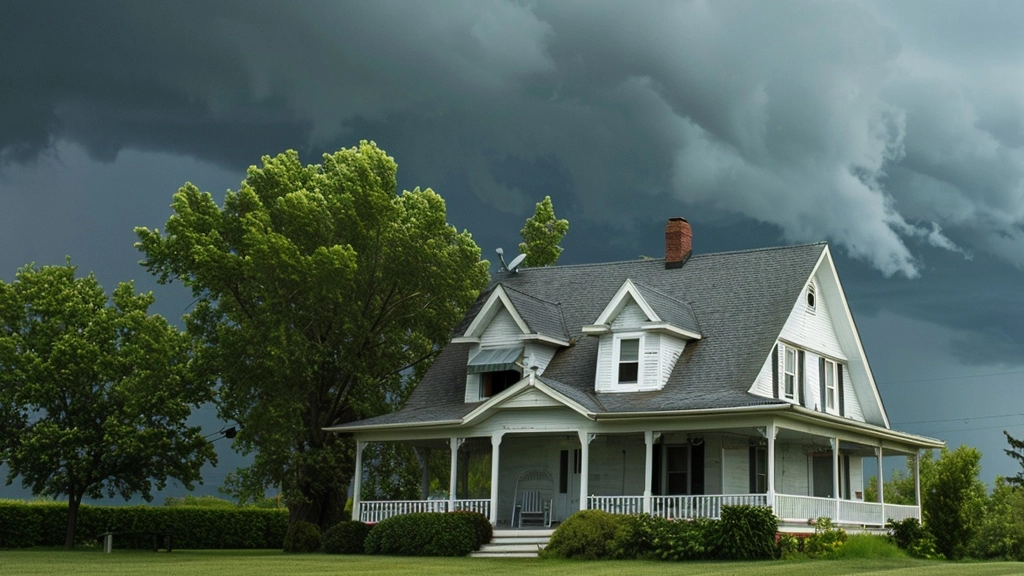
Roof and Gutter Maintenance: Your First Line of Defense
Your roof takes the brunt of whatever the sky throws at it, so start your storm prep here. Walk around your property and look for:
- Missing or damaged shingles: Even one compromised shingle can allow water to penetrate during heavy rains
- Loose flashing: Especially around chimneys and vents where leaks commonly start
- Sagging areas: These indicate potential structural issues that won’t stand up to heavy snow or wind
Don’t just eyeball it from the ground. Get up close (safely) or call a professional. At Roof Panther, we see too many homeowners who thought their roof was fine until water started dripping onto their dining room table.
As for gutters, clean them thoroughly before storm season hits. Clogged gutters can cause water to back up under your shingles and lead to rot in your fascia boards. Make sure downspouts direct water at least 5-10 feet away from your foundation to prevent basement flooding.
Securing Windows and Doors
Windows are particularly vulnerable during high winds and hail. Consider these protective measures:
- Caulk and weatherstripping: Replace any that’s cracked or peeling
- Storm shutters: Permanent options include roll-down, accordion, or Bahama styles
- Emergency plywood covers: Pre-cut 5/8-inch exterior grade plywood to fit each window, label them, and store them for quick installation
For doors, inspect the frames and hinges to ensure they’re solid. Entry doors should have at least three hinges and a deadbolt that extends at least one inch into the door frame. That extra inch makes a significant difference during high winds.
The Garage Door Vulnerability
Most folks don’t realize their garage door is often the weakest link during a storm. When it fails, the pressure change inside your home can literally blow your roof off. No joke.
Consider installing a garage door bracing kit, which is cheaper than a new roof. These temporary supports can be quickly installed when severe weather threatens. For a more permanent solution, upgrade to a wind-rated door that can withstand pressures of 130+ mph.
Creating a Storm-Ready Interior
Basement and Water Management
Your basement is ground zero for water problems during storms. Take these steps:
- Test your sump pump: Pour water into the pit and make sure it activates and drains properly
- Install a battery backup: Power outages and flooding go hand in hand
- Consider a water alarm: These affordable devices alert you to water before it becomes a major problem
One client of mine ignored his sump pump maintenance for years. After a particularly nasty storm, he ended up with two feet of water in his finished basement. The storm damage restoration cost, all preventable with a $150 backup pump.
Emergency Supplies
Your storm kit should include:
- Water (one gallon per person per day for at least three days)
- Non-perishable food and a manual can opener
- Flashlights with extra batteries
- First aid supplies
- Prescription medications
- Cash (ATMs don’t work without electricity)
- Important documents in waterproof containers
- Pet supplies if needed
Store these items in your designated safe space, ideally a basement or interior room without windows.
Yard and Outdoor Preparation

Tree Management
Those beautiful shade trees can become serious hazards during storms. Look for:
- Dead branches or split trunks
- Trees leaning toward your home
- Branches touching power lines
A professional arborist can identify potential problems before they crash through your roof. The cost of preventive trimming is nothing compared to removing a tree from your living room.
Securing Outdoor Items
Make a checklist of items to bring inside or secure when storms approach:
- Patio furniture and grills
- Planters and lawn ornaments
- Children’s toys
- Trash cans
- Hanging plants
Even small items can become dangerous projectiles in 70+ mph winds. I once saw a plastic lawn chair embedded in the side of a house after a tornado, looked like it was shot from a cannon.
Electrical Protection and Insurance Coverage
Surge Protection
Lightning strikes can fry your electronics instantly. A whole-home surge protector installed at your electrical panel costs $300-$500 but protects everything plugged in throughout your house. Individual surge protectors are good backup protection for valuable electronics.
Insurance Review
- Wind and hail coverage (and any deductibles)
- Flood coverage (remember, standard policies DON’T cover flooding)
- Coverage limits for personal property
- Additional living expenses coverage if your home becomes uninhabitable
Take photos or videos of your home’s contents, focusing on valuable items. Store these records in the cloud where they’ll be safe even if your home isn’t.
Communication and Weather Monitoring
Weather Alerts
Modern technology gives us advantages our grandparents never had. Set up:
- Wireless Emergency Alerts on your phone
- A NOAA weather radio with battery backup
- Multiple ways to receive warnings (app, radio, TV)
Remember: a watch means conditions are favorable for severe weather, while a warning means it’s happening now and you need to take shelter immediately.
Family Communication Plan
Make sure everyone in your household knows:
- Where to meet if separated during a storm
- How to communicate if cell networks are down
- Who to contact outside the area as a check-in person
- The location of emergency supplies and how to shut off utilities
Practice your plan, especially with kids. When seconds count, you don’t want to be figuring things out on the fly.
The Real Bottom Line
Storm preparation isn’t about paranoia, it’s about peace of mind. The Midwest throws everything from tornadoes to ice storms our way, and being ready is just part of living here.