

Window Replacement
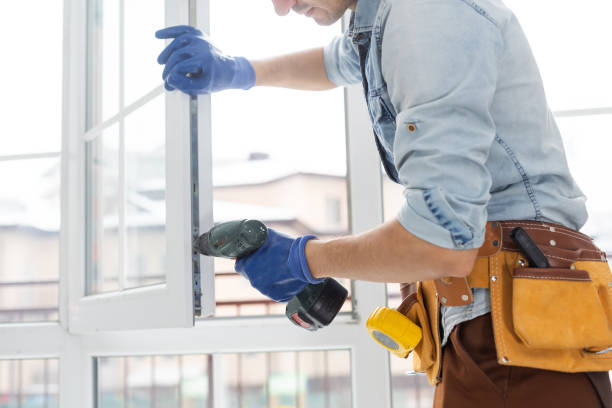
Why Window Replacement Matters More Than You Think
Energy Performance That Hits Your Wallet
The impact of windows on your utility bills is substantial:
Windows typically account for 25-30% of residential heating and cooling energy use
Replacing single-pane windows with ENERGY STAR-certified windows can save $101–$583 per year
Modern double-pane windows with Low-E coatings reduce energy loss by 50% compared to single-pane windows
The average homeowner recovers 68-74% of window replacement costs through increased home value
Those savings add up fast. I’ve had clients report their heating bills dropped by 20% after replacing old, leaky windows, a much better investment than many of the gadgets and quick fixes sold at big box stores.
Comfort That You Feel Everyday
Drafty windows create cold spots and temperature imbalances
Poor windows create hot and cold zones through radiation and conduction
Low-quality windows transmit outside noise, disrupting sleep and relaxation
UV radiation through standard glass fades furniture, flooring, and artwork
Single-pane glass often feels cold to the touch in winter (surface temperatures 20-30°F lower than room temp)
These comfort issues affect your daily experience in your home. After installing quality windows, homeowners often tell me they didn’t realize how bad their old windows were until they felt the difference with new ones.
Security and Safety Considerations
Older windows often have easy-to-defeat locks and latches
Modern windows include multi-point locking systems
Laminated glass options provide enhanced break-in protection
Tempered glass in specific locations prevents dangerous breakage
Emergency egress requirements ensure safe exits during fires
Window Types: Finding the Right Fit for Your Home
Double-Hung Windows: The Classic Choice
The most popular window style in American homes:
Two sashes that slide vertically past each other
Both sashes tilt inward for easy cleaning
Good ventilation control (open top, bottom, or both)
Traditional appearance suits many architectural styles
Generally more affordable than specialty windows
Double-hung windows work well in most applications, but they do have more air leakage points than some other styles. Modern versions have significantly improved weatherstripping and seals compared to older models.
Casement Windows: Maximum Ventilation and Efficiency
Open outward with a crank mechanism
Excellent ventilation; entire window area opens
Superior air sealing (wind presses sash tighter against frame)
Unobstructed views with no center rail
Usually the most energy-efficient operable window type
Casement windows excel in situations where catching breezes is important, and they generally provide better energy performance than double-hung windows due to their superior compression seals.
Sliding Windows: Space-Saving Simplicity
Slide horizontally on tracks
Ideal for openings wider than they are tall
No outward projection (good near walkways)
Simple operation with fewer mechanical parts
Generally less expensive than similarly sized casements
Picture Windows: Maximum View and Light
Fixed windows that prioritize view and light:
No operable parts, completely sealed
Largest possible glass area for the opening
Excellent energy efficiency (no operation seals to leak)
Can be combined with operable windows for ventilation
Typically less expensive than similarly sized operable windows
Picture windows work beautifully in areas with scenic views where ventilation isn’t a priority, or in combination with operable windows to balance views, light, and airflow.
Bay and Bow Windows: Architectural Statements
Bay windows typically feature three panels at angles
Bow windows use four or more panels in a curved arrangement
Create additional interior space
Increase natural light from multiple angles
Serve as focal points both inside and outside
While more expensive than standard windows, bay and bow configurations add significant character to homes and often create cozy interior nooks that homeowners love.
Specialty Shapes: Custom Character
Don’t forget about non-standard options:
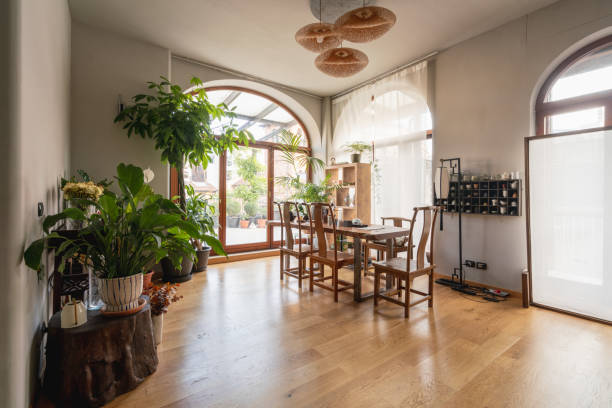
Arched or radius-top windows
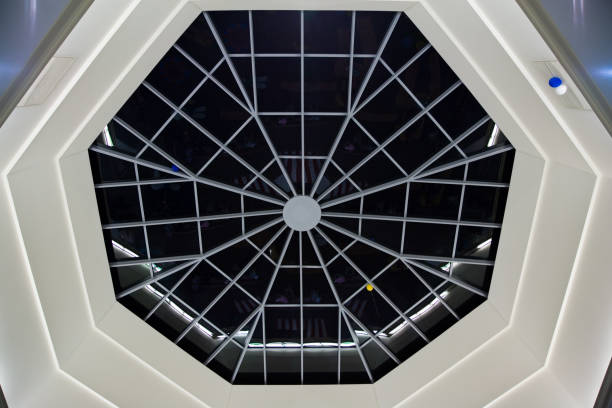
Geometric shapes (triangles, octagons, etc.)
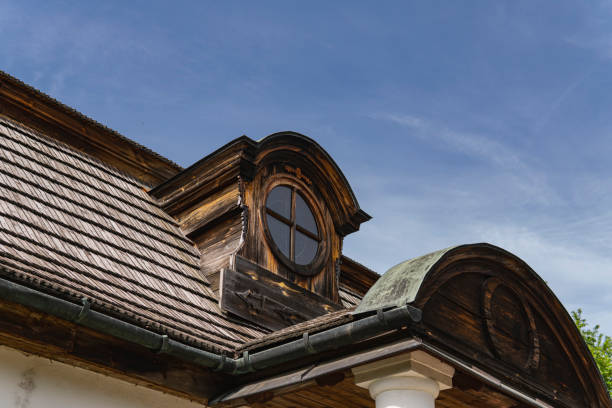
Circle and oval windows
Custom configurations
Window Materials: The Crucial Choice
Vinyl Windows: Budget-Friendly Performance
The most popular material for replacement windows today:
Most affordable option ($300-750 per window installed)
Excellent insulation properties
Will never require painting
Available in limited colors (mostly white and neutrals)
Can become brittle over time in extreme climates
Lifespan of 20-40 years depending on quality and exposure
Vinyl has come a long way from the cheap-looking, poorly performing products of the 1980s. Today’s premium vinyl windows offer excellent performance and durability, making them a solid choice for budget-conscious homeowners.
Wood Windows: Traditional Beauty with Higher Maintenance
Natural beauty and traditional appearance
Excellent insulation properties
Can be painted or stained to match any decor
Requires regular maintenance to prevent rot or warping
Premium pricing
30+ year lifespan with proper maintenance
While many older homes have original wood windows that have lasted 100+ years, modern wood windows often use finger-jointed pine that doesn’t perform as well as old-growth wood. Composite exteriors have helped address durability concerns.
Fiberglass Windows: Premium Performance
Exceptional strength-to-weight ratio
Minimal expansion and contraction with temperature changes
Can be painted any color
Excellent insulation with hollow frames filled with foam
Premium pricing
50+ year expected lifespan
Aluminum Windows: Commercial Strength
Less common in residential settings but with specific advantages:
Extremely strong and durable
Very thin frames maximize glass area
Fire resistant
Poor thermal performance without thermal breaks
Lower price point than wood or fiberglass
20-40 year lifespan
Modern aluminum windows have improved with thermal break technology, but they’re still not ideal for energy efficiency in residential applications. They shine in commercial settings or where extremely narrow frame profiles are desired.
Composite Windows: The Best of All Worlds?
Combines wood fibers with polymer resins
Better moisture resistance than wood
More dimensional stability than vinyl
Can be painted like wood
Mid-to-high price range
30-50 year expected lifespan
Composite windows like Andersen’s Fibrex or Marvin’s Ultrex offer compelling alternatives that address many of the shortcomings of traditional materials, though at a price premium.
Glass Options: Where Energy Performance Lives
Double vs. Triple Glazing
Single glazing (obsolete for new installations in most climates)
Double glazing (standard for replacement windows)
Triple glazing (premium option for extreme climates or noise reduction)
Low-E Coatings: Invisible Technology
These microscopic metal layers provide remarkable benefits:
Reflect infrared heat while allowing visible light through
Different formulations for different climate needs
Can reduce solar heat gain by up to 75%
Help prevent UV damage to furnishings
Add 10-15% to window cost but pay back quickly in energy savings
Not all Low-E is created equal. Northern climates benefit from high solar gain Low-E, while southern regions need coatings that reject solar heat. Regional window packages are optimized for local conditions.
Gas Fills: The Invisible Insulator
Air-filled units (basic performance)
Argon gas (standard for energy-efficient windows)
Krypton gas (premium option for thinner units or extreme climates)
Argon gas improves insulation by about 30% compared to air and adds minimal cost. It’s a no-brainer upgrade that’s standard in most quality windows today.
Spacer Systems: The Overlooked Component
Aluminum spacers (poor thermal performance, common in older windows)
Stainless steel spacers (improved performance)
Warm-edge spacers (premium performance, reduces condensation)
Installation: Where Good Windows Go Bad
Water Management Is Critical
Proper flashing prevents costly water damage:
Sill flashing directs water away from the rough opening
Jamb flashing prevents water intrusion at the sides
Head flashing keeps water from entering above the window
Integration with the home’s water-resistive barrier
I’ve torn out plenty of relatively new windows that failed because of water infiltration due to improper flashing, not because of any defect in the window itself.
Insulation Matters
Minimal-expanding foam insulation fills gaps without distorting frames
Backer rod and caulk provide additional air sealing
Over-packed fiberglass insulation can cause warping and operation issues
Under-insulated areas create energy loss and condensation problems
The 1/2″ gap between your window and the framing might seem insignificant, but improper treatment of this space can negate much of your new window’s performance benefits.
Interior and Exterior Finishing
Exterior capping/trim must shed water effectively
Interior casing must be sealed to prevent air infiltration
Proper caulking materials vary by application
Detail work separates professional installations from mediocre ones
When to Replace vs. Repair
When Repair Makes Sense
Consider repair when:
Wood frames are solid but need weatherstripping
Hardware is broken but frames and glass are in good condition
Foggy glass occurs in otherwise sound windows (glass-only replacement possible)
Historic windows have architectural significance
Budget constraints make phased replacement necessary
Quality repairs can extend window life by years at a fraction of replacement cost. Don’t let anyone tell you every window problem requires full replacement.
When Replacement Is the Better Option
Frames show significant rot, warping, or deterioration
Windows are extremely difficult to operate
Energy bills are excessive due to window performance
Condensation appears between sealed glass panes
Windows leak air significantly even when closed
Multiple components have failed
The average lifespan of modern windows ranges from 15-30 years, depending on quality, material, and exposure. If your windows are approaching this age range and showing problems, replacement often offers better long-term value than repairs.
The ROI Equation
Energy savings: $27-$465 annually for ENERGY STAR windows vs. single-pane
Increased home value: 68-74% of project cost typically recovered at resale
Reduced maintenance costs over time
Potential utility rebates and tax incentives
Comfort improvements that, while harder to quantify, improve quality of life
The Roof Panther Installation Advantage
Detailed Consultation and Measurement
We start with thorough assessment:
Precise measurements of each opening
Evaluation of existing frame condition
Discussion of your specific needs and preferences
Explanation of appropriate options for your home
Detailed quote with clear scope definition
This careful planning prevents surprises and ensures your new windows will fit perfectly and perform as expected.
Professional Installation by Experienced Teams
Careful removal of existing windows to minimize damage
Proper preparation of the rough opening
Correct flashing and water management
Precise leveling and shimming
Appropriate insulation and air sealing
Careful interior and exterior finishing
We don’t use day laborers or subcontract to the lowest bidder; our installers are experienced professionals who understand that proper installation is as important as the windows themselves.
Quality Verification and Clean-Up
Operational testing of all windows
Inspection of all seals and weatherstripping
Verification of proper drainage and water management
Thorough cleaning of all surfaces
Complete removal of all debris and packaging
Common Window Replacement Questions
How long does window replacement take?
Timing depends on several factors:
A typical home (10-15 windows): 1-3 days for installation
Custom or unusual windows may take longer
Lead times for ordering windows: 3-8 weeks typically
Weather conditions can affect scheduling
Complete exterior trim finishing may add time
We typically replace 5-10 windows per day, depending on complexity and access. Most homes can be completed within 1-2 days of actual installation time.
Can windows be replaced in winter?
We typically work on one window at a time to minimize heat loss
Interior plastic barriers contain dust and limit drafts
Specialized materials perform properly even in cold temperatures
Weather conditions may limit work on extremely cold or stormy days
While summer is ideal, we successfully replace windows year-round in the Midwest with minimal disruption to your home’s comfort.
Should I replace all windows at once?
Consistent appearance from inside and outside
Potential volume discounts
More efficient installation process
Uniform performance and warranty periods
What about permits and codes?
Most jurisdictions require permits for window replacement
Egress requirements affect bedroom windows
Safety glazing is required in specific locations
Energy code requirements vary by climate zone
Professional window companies handle permitting and ensure all code requirements are met. Skipping permits can cause problems when selling your home or with insurance claims.
Ready to Improve Your Home's Windows?
Reduce energy costs with high-performance windows
Improve comfort by eliminating drafts and cold spots
Enhance your home's appearance inside and out
Increase security with modern locking systems
Reduce outside noise infiltration
Add value that you'll recoup if you sell your home
Don’t settle for drafty, inefficient, or unattractive windows that compromise your home’s comfort and value. Contact Roof Panther today for a professional assessment of your window needs and a free estimate on replacement options that fit your home and budget.
Our Credentials

Licensed
In Illinois (#104.018415) and growing

Bonded
For your peace of mind

Insured
With high limits

Guaranteed
With a workmanship warranty
Contact Us! (Please provide your contact information below.)
We Look Forward To Working With You!
Roof Panther
903 N High Cross Rd. Urbana, IL 61802
By Appointment Only
Phone
(217) 530-8570
roofpanther@gmail.com