

Getting Your Home Back After Nature Hits Hard
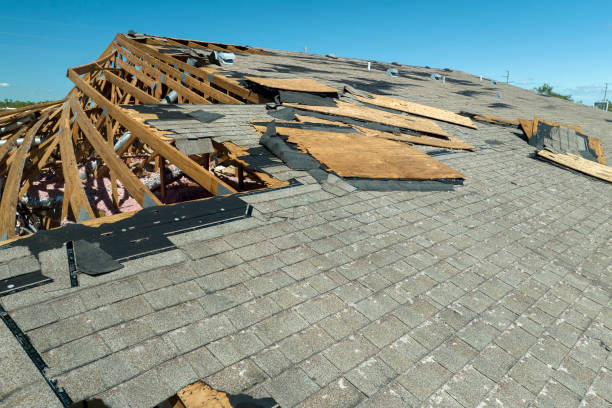
The Hidden Dangers of Untreated Storm Damage
Rotted roof decking requiring complete replacement
Mold growth throughout attic systems (remediation often costs $2,000-8,000)
Damaged insulation that reduces energy efficiency
Compromised structural elements as water follows framing
Ceiling and wall damage that may not appear for weeks or months
The statistics paint a clear picture: according to insurance industry data, homes with unaddressed storm damage typically develop secondary problems costing 3-5 times the original repair within 18 months. That $1,500 roof repair you put off can easily turn into a $6,000 nightmare by next year.
Types of Storm Damage
Wind Damage: More Than Just Missing Shingles
Common Wind Damage Signs:
Distinctive curved or faceted glass roof
Victorian or Edwardian architectural influences
Glass on all sides including overhead
Premium pricing ($25,000-50,000+)
Victorian or Edwardian architectural influences
Makes a bold architectural statement
Hail Damage
Identifying Hail Damage:
Bruising or dark spots on shingles where granules have been knocked loose
Exposed asphalt mat where protective granules are missing
Cracked or broken shingles from larger hailstones
Dented gutters, downspouts, and metal flashing
Damaged window screens, A/C condensers, and other exterior features
The granules on asphalt shingles aren’t just for appearance; they protect the shingle from UV degradation. Once hail knocks these granules loose, the clock starts ticking on accelerated roof deterioration. A hail-damaged roof might not leak immediately but will typically fail 5-7 years earlier than its expected lifespan.
Flooding and Water Intrusion
Water Damage Indicators:
Water stains on ceilings or walls (often yellowish or brownish)
Bubbling or peeling paint and wallpaper
Warped or buckled flooring
Musty odors indicating potential mold growth
Door or window frames that suddenly stick or won't close properly
Visible mold growth (usually appearing 24-72 hours after water exposure)
Debris Impact: Punctures and Penetrations
Impact Damage Signs:
Obvious punctures through roofing materials
Cracked or broken siding
Damaged fascia, soffit, or trim components
Broken or cracked windows
Dents or holes in gutters and downspouts
Even small punctures can allow surprising amounts of water into your home. A half-inch hole in your roof can admit several gallons of water during a moderate rainfall, potentially damaging areas far from the entry point as water travels along structural members.
The Critical First Steps After Storm Damage
Safety First: Avoiding Additional Risks
Before anything else, ensure your safety:
Stay clear of downed power lines (assume they’re live)
Beware of broken gas lines (if you smell gas, leave immediately and call your utility)
Watch for unstable structures or hanging debris
Be cautious on wet or damaged surfaces that may be slippery
Use proper protective gear if you must enter damaged areas (helmet, gloves, sturdy boots)
No property is worth risking your safety. Leave severely damaged structures to professionals until they’ve been properly evaluated.
Documentation: The Foundation of Your Insurance Claim
Take photos and videos of all visible damage (exterior and interior)
Capture wide shots showing the overall condition and close-ups of specific damage
Document personal property that's been damaged
Keep a written log of all damage-related events, conversations, and expenses
Preserve damaged items until an adjuster has inspected them
Most insurance disputes stem from inadequate documentation. The more thoroughly you record the damage, the stronger your position if questions arise later.
Emergency Repairs: Preventing Secondary Damage
Water stains on ceilings or walls (often yellowish or brownish)
Bubbling or peeling paint and wallpaper
Warped or buckled flooring
Musty odors indicating potential mold growth
Door or window frames that suddenly stick or won't close properly
Visible mold growth (usually appearing 24-72 hours after water exposure)
Insurance Notification: Starting the Claim Process
Report the damage as soon as safely possible
Get your claim number and adjuster contact information
Understand your policy's specific requirements and timelines
Ask about advance payments for immediate needs
Clarify what emergency measures are covered before permanent repairs
Most homeowner policies have specific requirements regarding how quickly you must report damage (typically 24-72 hours). Failing to notify promptly can jeopardize your coverage.
Working With Your Insurance: Navigating the Claims Process
Understanding Your Policy Coverage
Replacement cost vs. actual cash value (huge difference in payout amounts)
Special deductibles for wind/hail (often higher than your standard deductible)
Coverage for code upgrades when replacing older systems
Additional living expense provisions if your home is temporarily uninhabitable
Ordinance and law coverage for bringing repaired areas up to current building codes
The Inspection Process: What to Expect
The insurance inspection is a critical moment in your claim:
An adjuster will examine the damage and document their findings
They may use drones or other technology for roof assessments
They’ll create a damage estimate using standardized pricing software
This initial estimate often misses items that should be included
Having your own contractor present during the insurance inspection often results in a more complete assessment. The adjuster and your contractor can discuss technical issues directly, ensuring nothing is overlooked.
Supplements: Getting Full Compensation
Initial estimates often miss hidden damage discovered during repairs
Standard pricing software may not account for unique aspects of your home
Code-required upgrades are frequently omitted from initial estimates
Material price increases between estimate and repair dates may need adjustment
On average, properly documented supplement requests increase claim settlements by 20-30%. This isn’t about getting “extra money”; it’s about ensuring fair compensation for the actual cost of proper repairs.
Choosing the Right Restoration Contractor in Illinois
Red Flags to Watch For
Door-to-door solicitation immediately after storms
Pressure to sign contracts or assignment of benefits forms on the spot
Demands for large upfront deposits (more than 10-20% is suspicious)
No physical local address or out-of-state license plates
Offers to "cover your deductible" (insurance fraud that puts you at risk)
No verifiable references or online presence
Qualities of Reputable Restoration Contractors
Look for these positive indicators instead:
Established local presence and reputation
Clear communication and documentation
Proper licensing and insurance (liability and workers' comp)
Detailed written estimates and contracts
Manufacturer certifications for materials they install
Experience working with insurance claims
Reasonable timeline expectations (quality restoration isn't instantaneous)
A trustworthy contractor like Roof Panther will guide you through the entire process, from emergency response through insurance negotiation and quality restoration.
The Complete Restoration Process
Emergency Services Phase
Tarping damaged roof areas
Board-up of broken windows or doors
Water extraction if interior flooding occurred
Placement of drying equipment
Security measures if structural damage compromises home safety
These services should be available 24/7, as storms don’t operate on a 9-to-5 schedule. At Roof Panther, we maintain emergency response teams ready to deploy whenever our clients need them.
Assessment and Documentation Phase
Comprehensive inspection of all potentially affected areas
Documentation of all visible damage
Testing for hidden moisture in walls, ceilings, and floors
Structural assessment where needed
Development of a detailed restoration plan
Restoration Planning Phase
Proper planning ensures efficient, complete restoration:
Detailed scope of work development
Material selection and ordering
Scheduling of specialized subcontractors if needed
Timeline development with clear milestones
Use proper protective gear if you must enter damaged areas (helmet, gloves, sturdy boots)
This planning phase might seem to delay the actual work, but it prevents costly mistakes and ensures all aspects of the restoration are properly addressed.
Execution Phase
The actual restoration work follows the established plan:
Structural repairs where needed
Roof system restoration or replacement
Exterior envelope repairs (siding, windows, etc.)
Interior repairs to damaged drywall, flooring, etc.
Systems restoration (electrical, plumbing, HVAC if affected)
Finishing touches and cleanup
Quality restoration contractors maintain clear communication throughout this phase, keeping you updated on progress and addressing any questions or concerns promptly.
Final Verification Phase
Final inspection of all completed work
Testing of repaired systems
Cleanup and debris removal
Walkthrough with homeowner
Documentation of completed work for warranty purposes
Common Storm Damage Restoration Questions
How long will the restoration process take?
The timeline varies greatly based on:
Extent and type of damage
Current contractor workload (especially after widespread storm events)
Material availability (which can be affected by supply chain issues)
Weather conditions during the repair period
Insurance claim processing time
A typical roof replacement might take 1-2 days for the actual work, but the entire process from storm damage to completed restoration often takes 2-6 weeks. Major structural repairs can extend this timeline significantly.
Can I stay in my home during repairs?
The nature and extent of the damage
Whether essential services (electricity, water, heat) are affected
If any structural concerns exist
Whether toxic materials (mold, asbestos in older homes) are involved
Your tolerance for construction noise and activity
Minor to moderate exterior repairs typically don’t require relocation. For major damage, your insurance may cover additional living expenses while repairs make your home temporarily uninhabitable.
Will my insurance rates increase after filing a claim?
Your state's insurance regulations (some prohibit rate increases for Act of God claims)
Your claims history (multiple claims have more impact than a single event)
The widespread nature of the storm (carriers can't raise rates on everyone affected)
Your insurance carrier's specific policies
What if my insurance offer seems too low?
You have several options:
Request a re-inspection with your contractor present
Submit a detailed supplement with documentation of omitted items
Get a second opinion from another contractor
Consider hiring a public adjuster for larger claims
Utilize your policy’s appraisal clause for significant disputes
Most underpayment issues can be resolved through proper documentation and professional assistance without escalating to formal disputes.
The Roof Panther Advantage in Storm Restoration
Local Expertise That Matters
Understanding of local building codes and requirements
Knowledge of storm patterns specific to our region
Established relationships with suppliers and subcontractors
Commitment to our community and reputation
Accountability that out-of-town storm chasers don't provide
When you work with a local company like Roof Panther, you’re partnering with a team that will still be here long after the repairs are completed.
Complete Exterior Restoration Services
Roof systems often suffer the most visible damage
Siding can be damaged by hail, debris, or wind
Windows may be broken or damaged by pressure differentials
Gutters and downspouts frequently sustain impact damage
Decks, fences, and other structures may be affected
Insurance Claim Navigation Support
Our experience with the insurance process provides valuable assistance:
We help document damage thoroughly
We create detailed estimates using insurance-compatible software
We identify commonly overlooked damage components
We communicate directly with adjusters to resolve technical questions
We prepare and submit supplement requests when needed
This support often results in more complete coverage and faster claim resolution.
Getting Started With Your Storm Damage Restoration
- Ensure your immediate safety and address any emergency issues
- Document the damage thoroughly with photos and notes
- Contact your insurance carrier to report the damage
- Reach out to Roof Panther for a professional assessment
- Schedule a time for our team to meet with your insurance adjuster
- Review our detailed restoration plan and timeline
- Approve the work and let our experts handle the rest
Our Credentials

Licensed
In Illinois (#104.018415) and growing

Bonded
For your peace of mind

Insured
With high limits

Guaranteed
With a workmanship warranty
Contact Us! (Please provide your contact information below.)
We Look Forward To Working With You!
Roof Panther
903 N High Cross Rd. Urbana, IL 61802
By Appointment Only
Phone
(217) 530-8570
roofpanther@gmail.com