

Your Home's Exterior Works Harder Than You Think
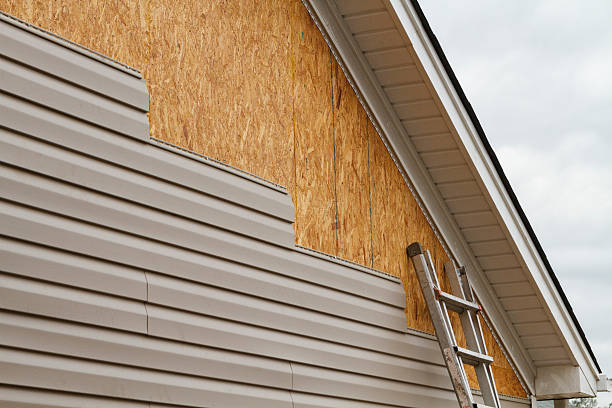
Most homeowners spend a lot of time thinking about their roof and not nearly enough time thinking about their siding. That’s understandable. Siding doesn’t leak dramatically or make noise when something goes wrong. It just quietly does its job, day after day, taking the full force of Central Illinois weather while you go about your life.

But here’s the thing: siding covers more square footage of your home than any other exterior component. It’s the primary barrier between your wall cavity and everything outside. When it starts failing, the damage that follows is usually invisible until it’s expensive.

At Roof Panther, we’re a family-owned roofing contractor in Champaign that handles siding installation, replacement, and repair throughout Champaign-Urbana and the surrounding communities. We work with vinyl, fiber cement, engineered wood, and other siding materials, and we’ll give you an honest recommendation based on your home, your budget, and how long you plan to stay.

Siding

I’ve seen plenty of homeowners drop serious money on kitchen renovations they show off a few times a year, while ignoring failing siding that every neighbor and passerby sees daily, and that’s been letting moisture work its way into the wall framing for years. By the time the damage is obvious from inside the house, it’s almost always worse than expected.

Quality siding installed correctly protects your home’s structure, improves energy efficiency, and holds its appearance for decades. Cheap siding installed badly does none of those things, regardless of what it looked like on day one.

Siding Materials: What's Right for Your Home

Choosing a siding material is the most important decision in any siding project. The right choice depends on your budget, how much maintenance you want to deal with, and what kind of performance you need in an Illinois climate with real winters, humid summers, and occasional severe weather.

Siding Materials: What's Right for Your Home

Choosing a siding material is the most important decision in any siding project. The right choice depends on your budget, how much maintenance you want to deal with, and what kind of performance you need in an Illinois climate with real winters, humid summers, and occasional severe weather.

Vinyl Siding

Vinyl is the most common siding material in the Champaign area, and for good reason. It’s cost-effective, available in a wide range of colors and profiles, and requires very little maintenance beyond an occasional wash. It doesn’t rot, it won’t be eaten by insects, and a quality vinyl product holds its color reasonably well for 20-plus years.

The tradeoff is that vinyl can crack in extreme cold and dent from hail or debris impact. It also has the lowest R-value of the common siding options, though insulated vinyl products add a foam backing that meaningfully improves thermal performance. For homeowners working within a budget who want a clean, low-maintenance exterior, vinyl is a solid choice.

Fiber Cement Siding

Fiber cement, most commonly associated with the James Hardie brand, has become the premium standard for residential siding over the past two decades. It’s made from a mixture of cement, sand, and cellulose fiber, which gives it exceptional durability and dimensional stability in freeze-thaw conditions.

Fiber cement doesn’t rot, it’s fire-resistant, and it holds paint extremely well, typically carrying a 15-year finish warranty when factory-primed and painted. It can be manufactured to convincingly replicate the look of wood lap siding, shingles, or board-and-batten without the maintenance that real wood requires.

The upfront cost is higher than vinyl, and it’s heavier to work with, which means installation takes more time and skill. But for homeowners who want a premium exterior that will genuinely last and look sharp for decades, fiber cement is hard to beat.

Engineered Wood Siding

Products like LP SmartSide offer an appealing middle ground: the warm, natural look of real wood with significantly better resistance to moisture, rot, and insects than traditional wood siding. Engineered wood is treated with a zinc borate preservative and coated at the factory, which dramatically extends its service life compared to raw wood.

It’s lighter than fiber cement and easier to work with, which keeps installation costs in check. LP SmartSide carries strong manufacturer warranties, often 50 years on the substrate, and it takes paint well for long-term color maintenance. For homeowners who want a wood aesthetic without the constant upkeep that real wood demands, engineered wood is worth a close look.

Traditional Wood Siding

Cedar and other wood sidings have been used for centuries for good reason. They look genuinely beautiful, they’re workable with standard tools, and a well-maintained wood exterior has a character that synthetic materials still haven’t fully replicated.

The honest caveat is maintenance. Wood siding in Illinois needs to be painted or stained and sealed on a regular cycle, typically every 3-5 years depending on sun exposure and conditions. Skip that cycle a time or two and you’re dealing with cracking, warping, rot, and moisture intrusion. For homeowners who are committed to the upkeep and love the aesthetic, wood is a legitimate option. For most homeowners comparing total cost of ownership over 20 years, the synthetic options usually make more financial sense.

Why Proper Installation Matters as Much as the Material

The material you choose matters. But how it gets installed matters just as much, and this is where a lot of siding jobs go wrong.

Siding is a moisture management system. Every piece of it has to be installed in the correct sequence, with proper flashing at windows, doors, and penetrations, appropriate clearances at the foundation and roofline, and a functioning drainage plane behind it. When any of those details are done carelessly, water finds its way into the wall cavity and stays there.

I’ve removed siding that looked completely fine from the outside and found sheathing that was soft and black with mold, rim joists that had been rotting quietly for years, and wall cavities with insulation that had been wet long enough to lose most of its R-value. None of that was visible until the siding came off. In every case, the original installation had cut corners somewhere in the moisture management details.

We don’t do that. Every installation starts with a look at what’s underneath, and if we find damage during removal, we tell you what we found and what it takes to fix it before new siding goes on.

What a Siding Project Looks Like With Roof Panther

Consultation

We start by looking at your current siding, talking through what’s working and what isn’t, and understanding your priorities. Some homeowners are replacing siding because it’s failing. Others are replacing it for appearance or energy efficiency reasons. The right approach and material recommendation depends on which situation you’re in.

We bring material samples so you can see and feel the options rather than making a decision based on a brochure. We’ll also discuss color and profile options, since the architectural style of your home should influence the siding profile you choose.

Estimate and Scope

We provide a detailed written estimate with itemized pricing. If there are options at different price points worth considering, we present them clearly so you can make an informed decision. No vague line items, no surprises when the invoice arrives.

Installation

Our crews handle full removal of existing siding, inspection and repair of any damaged sheathing or framing underneath, moisture barrier installation, and complete siding installation including all trim, flashing, and finishing details around windows, doors, corners, and rooflines.

We don’t hand siding jobs off to day labor or the lowest-bid subcontractor. The crew that shows up is experienced, and the details that are easy to skip get done correctly.

Final Walkthrough and Warranty

When the job is done, we walk through it with you. We cover maintenance recommendations for your specific material, provide warranty documentation, and make sure you’re satisfied with the result before we consider the project complete. We stand behind our workmanship, and if something isn’t right, we come back and fix it.

Signs It's Time to Replace Your Siding

Not sure if you need a full replacement or just repairs? Here’s what to look for:

Warping, buckling, or loose panels. Siding that has lost its shape or pull away from the wall is no longer doing its job as a moisture barrier.

Cracking or gaps. Any opening in your siding is an entry point for water and insects.

Paint that won't hold. If you're repainting every couple of years and the paint keeps peeling, failing siding underneath is usually the reason.

Higher energy bills. A noticeable increase in heating or cooling costs, particularly in an older home, can point to compromised siding and insulation.

Soft spots or discoloration. Press firmly along the bottom courses of your siding. If anything feels soft or spongy, there's moisture damage in the wall behind it.

Visible rot or mold. If you can see it on the outside, there's almost certainly more of it you can't see.

If you’re seeing one or two of these signs in isolated areas, repairs may be the right call. If they’re showing up across multiple elevations or the siding is more than 20-25 years old, replacement is usually the better investment.

Siding and Windows: A Natural Combination

Siding replacement is one of the best times to address windows at the same time. The trim and flashing around windows gets fully replaced during a siding job anyway, and if your windows are aging, doing both at once saves labor costs and ensures everything integrates correctly from a moisture management standpoint. If your windows are due for replacement, take a look at our windows page as well.

Gutters are another system worth evaluating during a siding project. Gutters that are pulling away from the fascia or not draining properly can direct water directly at your new siding. Our gutters page covers what we offer there.

Ready to Get Started?

If your siding is showing its age or you’ve been thinking about upgrading your home’s exterior, the first step is a free in-person consultation. We’ll look at what you have, talk through your options, and give you a detailed estimate with no pressure and no obligation.

Roof Panther serves Champaign, Urbana, Savoy, Mahomet, Rantoul, Danville, and communities throughout Central Illinois. Licensed in Illinois (#104.018415), bonded, and insured.

Schedule Your Free Estimate or call (217) 530-8570.

Our Credentials

Licensed

In Illinois (#104.018415) and growing

Bonded

For your peace of mind

Insured

With high limits

Guaranteed

With a workmanship warranty

Contact Us! (Please provide your contact information below.)

We Look Forward To Working With You!

Roof Panther

903 N High Cross Rd. Urbana, IL 61802

By Appointment Only

Phone

(217) 530-8570

Email

roofpanther@gmail.com

Follow Us